
A New Era of Trade Fraud Enforcement
The new DHS/DOJ Trade Fraud Resource Guide should resonate across the trade ecosystem, especially for importers, Customs brokers, and in-house counsel.

The new DHS/DOJ Trade Fraud Resource Guide should resonate across the trade ecosystem, especially for importers, Customs brokers, and in-house counsel.

The war with Iran is being fought with missiles, aircraft and naval forces, but some of its most consequential effects are disruptions impacting energy markets, international shipping, insurance, supply chains, and prices, while adding another layer of sanctions and tariff risk to international trade. The result is particularly significant because the Strait of Hormuz, at the center of the conflict, is one of the most important arteries in world commerce.

A municipal government’s use of emergency powers might seem inconsequential, but it contributes to many communities’ accumulation of debt, housing and commercial space that is affordable to hypothetical residents but not actual ones, surveillance cameras, empty offices and strip malls, and contractual commitments to data centers and private prisons – all without any meaningful public involvement.

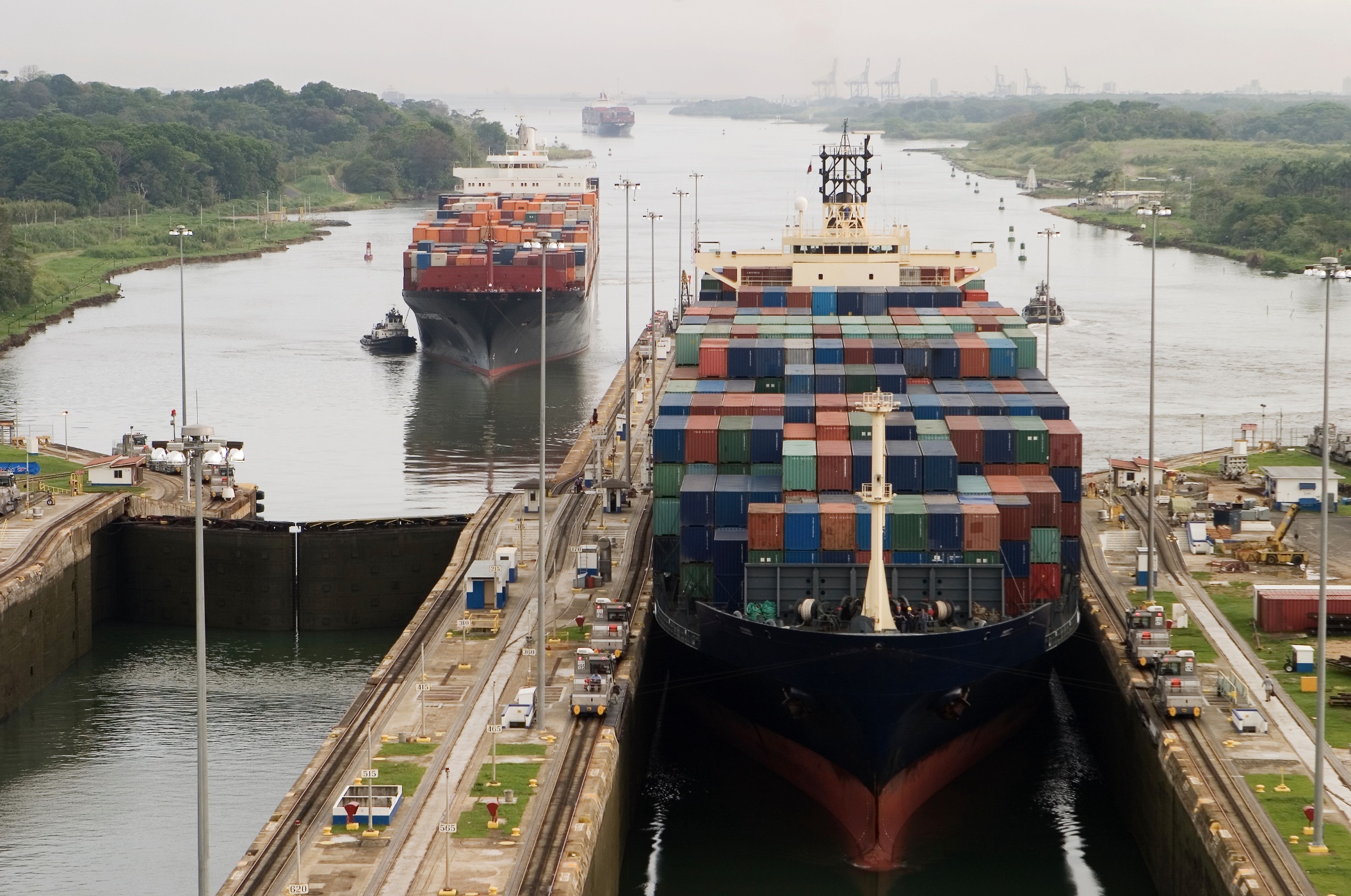
There are about 200 straits worldwide, but only 18–20 of them actually matter for global trade, and 9 are considered truly critical choke points. So, these are the straits/canals where closure would cause (and is currently causing) massive global economic shock: Strait of Malacca, Strait of Hormuz, Suez Canal, Panama Canal, Bab elMandeb, Strait of Gibraltar, Bosphorus Strait, Danish Straits, and of course, the ever-impending blockage of the Taiwan Strait.

A sweeping new White House Executive Order is set to once again shake up global supply chains by requiring a historic overhaul of the U.S. Importer of Record (IOR) framework. It lays out raising penalty floors, and tightening disclosure rules for everyone bringing goods into the United States, among other things.

“Origin Engineering” refers to modifying the sourcing of essential product inputs or relocating key manufacturing processes from countries subject to higher tariff rates to jurisdictions with more favorable trade treatment. It is one of the most effective tools available to importers navigating elevated tariff exposure.

Mexico’s customs and foreign trade legal framework has evolved toward a stricter and more controlled compliance model.

On June 3, 2026, President Trump issued Executive Order 14411, “Strengthening Customs Enforcement,” directing the Department of Homeland Security and U.S. Customs and Border Protection to tighten importer eligibility, increase disclosure obligations, and expand enforcement measures across the U.S. import system.

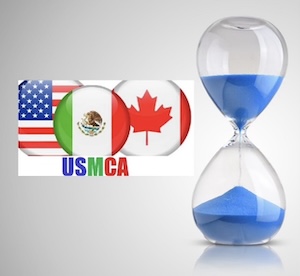
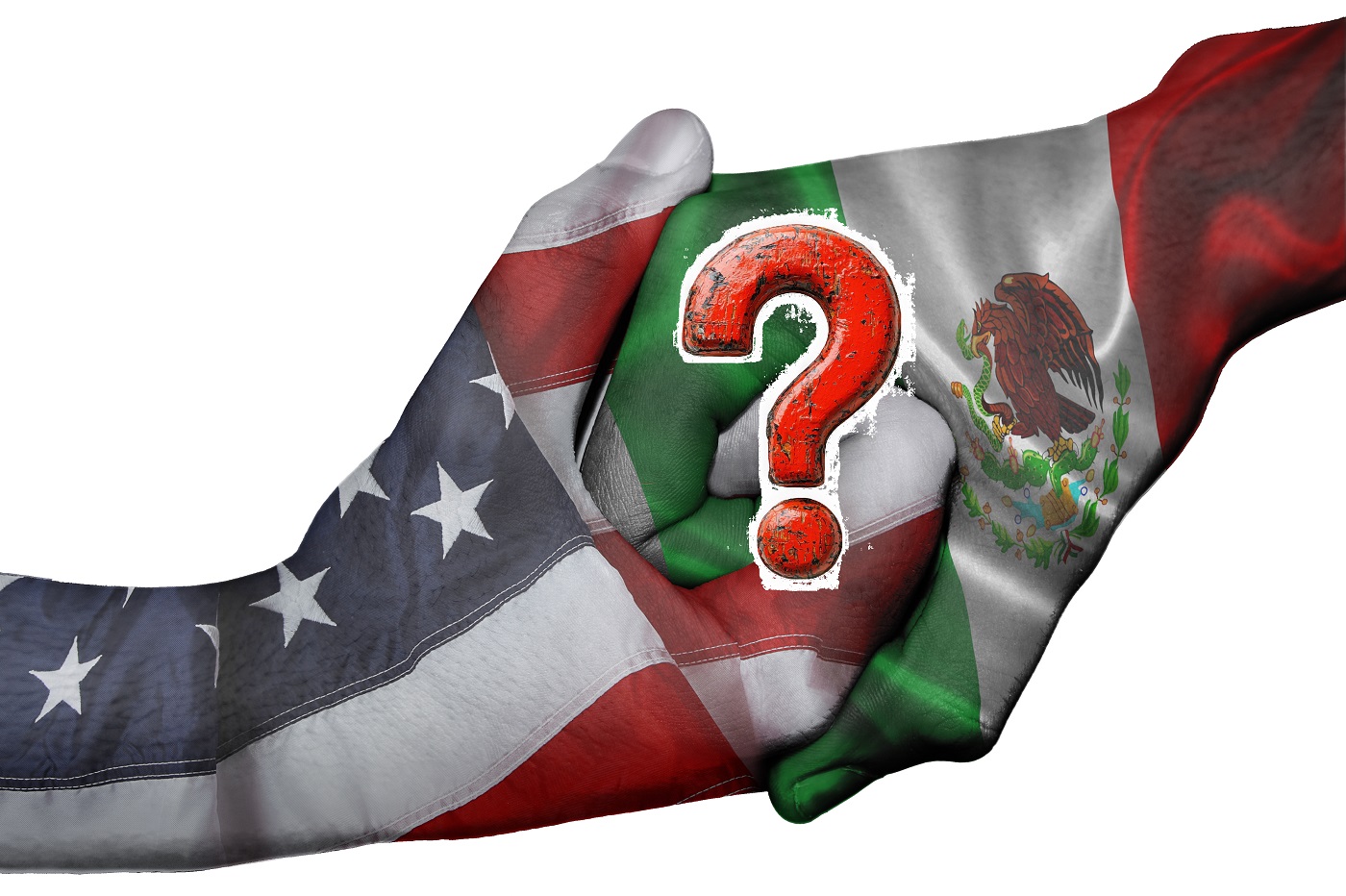
Yes, regarding this particular topic I am immediately surrounded by all of those external voices, even internal, telling me of how ridiculous it would be for the US to follow through and pull out of the USMCA. My response of course is noting that I probably wouldn’t have given the topic a second thought had the President of the United States not mentioned that this was a consideration regarding the upcoming July 2026 USMCA review.

On June 15, 2026, the U.S. Supreme Court denied a petition for a writ of certiorari in the case of HMTX Industries LLC v. United States. The petition came in response to the Federal Circuit’s decision to uphold use of tariffs against China under Lists 3 and 4A of Section 301 during the first Trump Administration.

Punctuation matters. I’ve always remembered a poster on the wall of a co-worker’s office—this was back in the 80s—that showed baby seals dancing at a disco under a four-word caption: STOP CLUBBING, BABY SEALS. The poster (which has become an internet meme forty years later) cleverly showed how something as seemingly minor as a comma can change the meaning of a phrase or sentence. If a comma can flip the meaning of a four-word sentence, is it hard to imagine the effect that punctuation, or lack of punctuation, might have on our interpretation of a law or regulation?

In today’s complex global marketplace, businesses are increasingly confronted with the challenges of supply chain disruptions, rising costs, and fierce competition—all exacerbated by trade remedy tariffs. While many of these tariffs are already in play, President-elect Trump has promised to impose new tariffs and increase old ones.

After 25 years of negotiations, the European Union and the Southern Common Market, commonly known as Mercosur, comprised of Brazil, Argentina, Uruguay, and Paraguay, signed a free trade agreement. I think this, among many more regional deals to come was suddenly expedited due to the anticipated land mines with the upcoming Trump 2.0 administration and trade policy regarding tariffs for all.

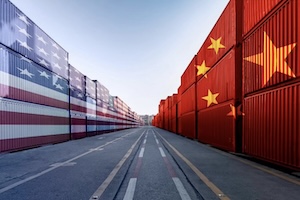
The United States has a long history of using tariffs. The first significant tariff legislation was the Tariff Act of 1789, signed by President George Washington. Tariffs have been used for various purposes over the years, including protecting domestic industries, generating government revenue, and negotiating trade agreements. The use of tariffs however has evolved, with significant changes during different historical periods, such as the high tariffs of the 19th century and the shift towards free trade in the mid-20th century, as well as the current U.S. trade war with China, and possibly soon to be with Mexico and Canada.

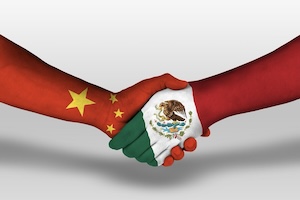
Recently, US elected President Trump threatened that when he takes office one of his first orders will be a 25% import duty on all goods coming from MX into the US. The intention is to put pressure on Mexico to stop the flow of illegal drugs and immigrants.

On October 23, 2024, the Directorate of Defense Trade Controls published proposed changes to the International Traffic in Arms Regulations (ITAR) affecting exports of spacecraft and launch vehicles and related activities. Subsequently the department extended the comment period from Nov. 22 to Dec. 23, 2024. The Bureau of Industry & Security (BIS) of the Department of Commerce published corresponding proposed changes to the Export Administration Regulations on Oct. 23, 2024.

This article examines the constitutional authorities and various statutes that reserve tariff authorities for Congress and some legal authorities in which Congress has delegated tariff authorities to the President. The U.S. is a party to numerous multilateral and regional trade agreements that have binding tariff commitments that will be impacted as well.

Historically, trade agreements have focused on reducing barriers to trade—such as tariffs and quotas—while encouraging economic integration and growth. Environmental protection was often considered a separate issue, addressed primarily through national regulations or multilateral environmental agreements like the Paris Agreement. However, recent developments suggest that trade and environmental concerns are converging, with many new trade agreements incorporating specific environmental provisions.

President-elect Trump has repeatedly stated that he will increase tariffs. While it is unclear to what extent, while campaigning he proposed a 10% to 20% tariff on all imports and an additional 60% or more on goods from China.

One of the most anticipated decisions of the Supreme Court’s recent term was Loper Bright Enterprises v. Raimondo. While the specific underlying dispute in Loper Bright isn’t relevant to the trade community—did fishermen have to pay for government-mandated observers on their vessels?—the Court used this case to overturn the broadly applicable judicial deference test established in 1984 in Chevron U.S.A. Inc., v. Natural Resources Defense Council.