
Section 301 Tariffs: A New Phase in U.S. Trade Policy
The resurgence of Section 301 tariff investigations marks a pivotal shift in U.S. trade policy. Following the Supreme Court’s invalidation of tariffs imposed under the International Emergency Economic Powers Act (IEEPA), the Office of the U.S. Trade Representative (USTR) has turned to Section 301 of the Trade Act of 1974 as a more durable legal pathway to reimpose and potentially expand tariff measures.
Supreme Court Clarifies Separation of Powers in IEEPA Tariffs Decision
In the final analysis, this case stands as one of the most important separation of powers decisions in the economic domain in U.S. history. It clarifies that tariffs are a form of taxation reserved to Congress, embeds the major questions doctrine in trade law, and reasserts the structural boundary between legislative and executive authority.
Hot Topics in International Trade – The Value Manifest Update with Brenda Cordova, Braumiller Law Group
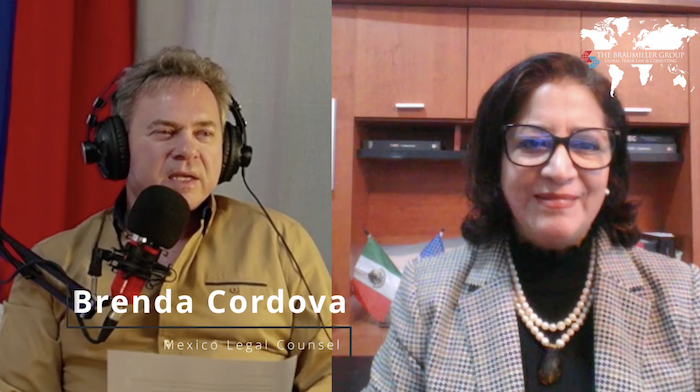
Hot Topics in International Trade – Brenda Cordova, Braumiller Law Group Mexico Legal Counsel, stops by to discuss the New Mexican Electronic Value Manifest with Bob Brewer VP Marketing & NBD of Braumiller Law Group.
Hot Topics in International Trade – The Current FTZ Landscape with Robert Stein VP Braumiller Consulting
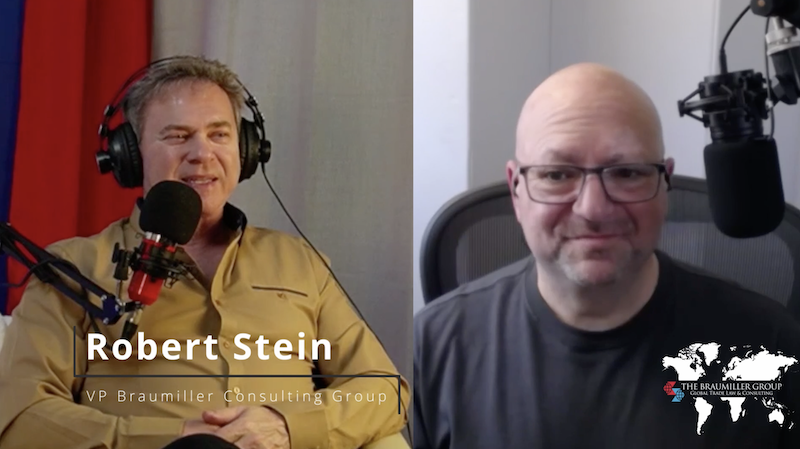
Hot Topics in International Trade – Robert Stein, Vice President of Braumiller Consulting Group, stops by to discuss the current FTZ landscape with Bob Brewer VP Marketing & NBD of Braumiller Law Group.
Hot Topics in International Trade Section 301 Investigations with Adrienne Braumiller, & Bob Brewer, Braumiller Law Group
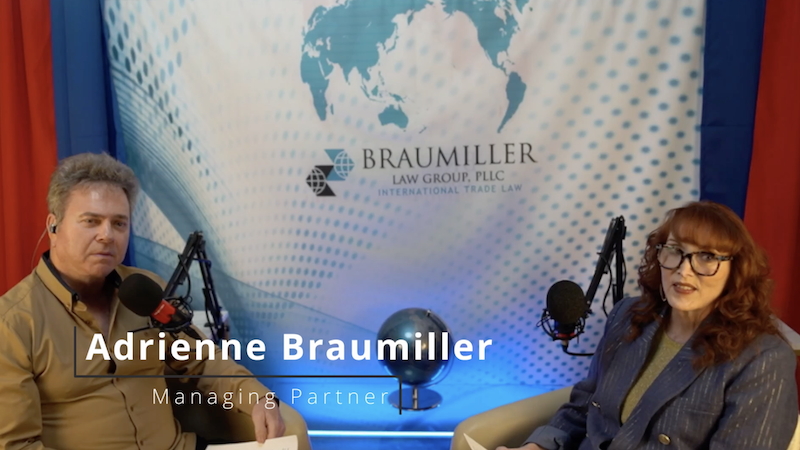
Hot Topics in International Trade Bob Brewer VP Marketing/NBD is joined by Adrienne Braumiller, Founder and Managing Partner of Braumiller Law Group, to talk about Section 301 Investigations.
Hot Topics in International Trade Bob Brewer VP Marketing/NBD is joined by Victoria Holmes from The Dispatch to talk about world events and trade
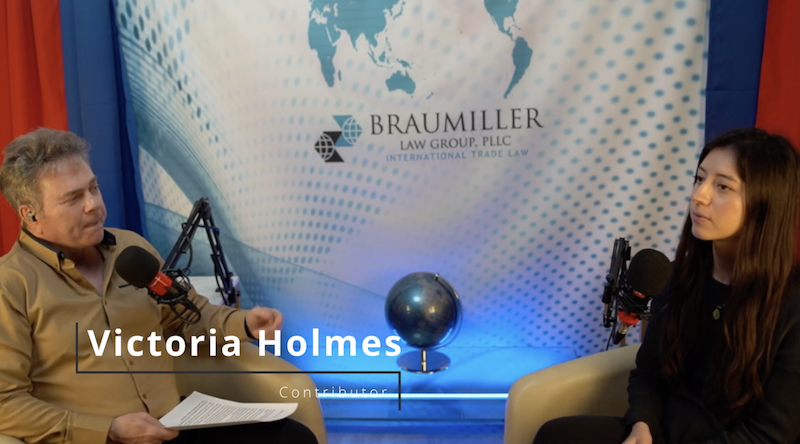
Hot Topics in International Trade Bob Brewer VP Marketing/NBD is joined by Victoria Holmes from The Dispatch to talk about world events and trade.
Hot Topics in International Trade IEEPA Refunds Process with Senior Associate Attorney Brandon French & Bob Brewer, Braumiller Law Group
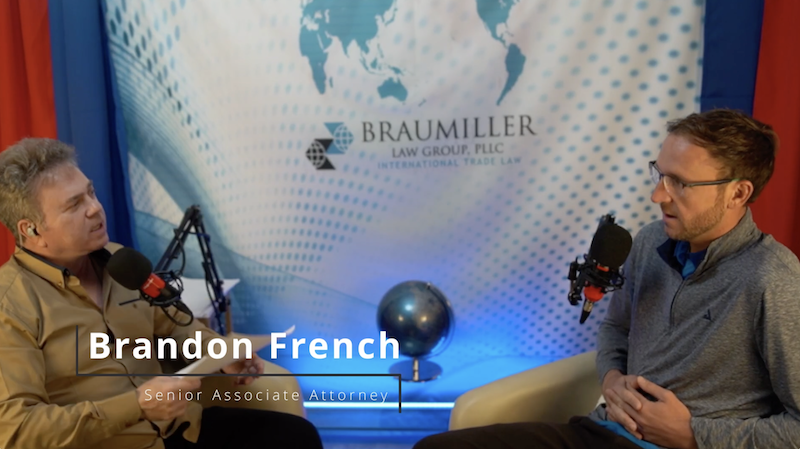
Hot Topics in International Trade Bob Brewer VP Marketing NBD is joined by Senior Associate Attorney Brandon French to talk about IEEPA refunds process.
Goodbye USA – Canadian Prime Minister Mark Carney’s MiddlePowers Playbook is Officially in Play, Part 2

One of my recently published articles covered the World Economic Forum Davos speech by Canadian Prime Minister Mark Carney, where he summoned the middle powers of the earth to unite against the US forces who are demanding that they take a knee and capitulate, per Governor Newsom who was in attendance handing out knee pads. (Really) Well, to say the least, that’s not happening by even the longest stretch of anyone’s imagination.
Keeping the Chain Secure: A Deep Dive into the Latest CTPAT Investigation
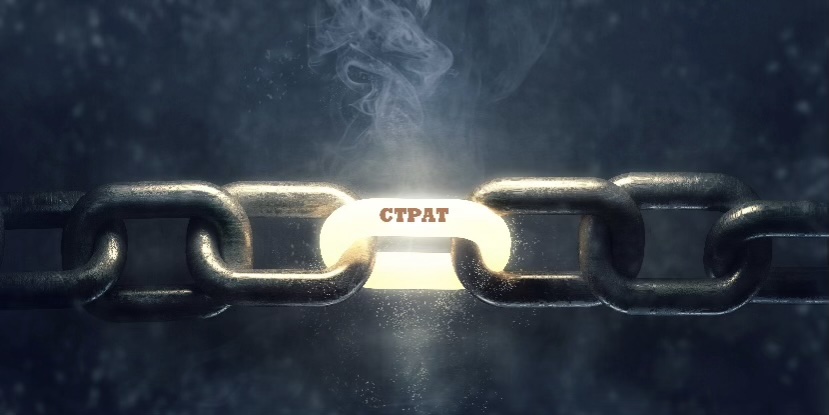
The global supply chain is the backbone of the U.S. economy, moving millions of tons of cargo daily. To keep things running smoothly and safely, U.S. Customs and Border Protection (CBP) place a significant reliance on the Customs Trade Partnership Against Terrorism (CTPAT). This voluntary program trades “gold star” benefits—like fewer inspections, business resumption priority, and faster border crossings—for a company’s commitment to high-level security.
Monitoring the Hormuz Strait and the Subsequent Trade Volatility
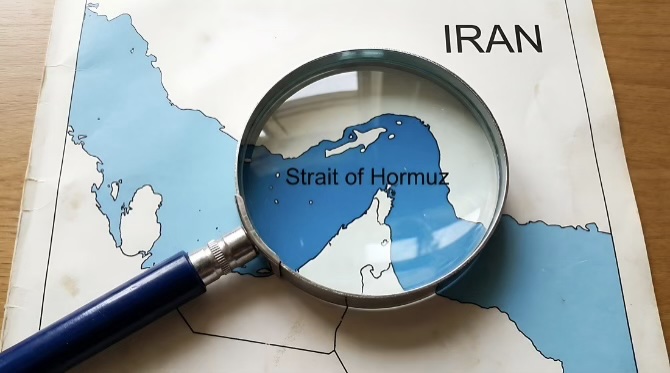
On March 9th, 2026, maritime tracking data showed just one outbound vessel, bearing an Iranian flag, transiting the Strait of Hormuz, with no inbound movements recorded at all. This lone vessel signifies a global conflict in a very important region around global trade.