
U.S.-China “30-for-30” Tariff Lists Are Out, but Rates and Timing Are Not
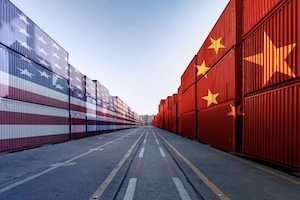
Chinese President Xi Jinping made a reciprocal state visit to Washington last week, meeting with President Donald Trump. The White House announced the new U.S.-China Board of Trade had reached a consensus on recommendations for more favorable tariff treatment on $30 billion of non-sensitive goods in each direction.
Bob Brewer of The Braumiller Group is Joined by Victoria Holmes of the Dispatch to Talk About Global Trade and Drones
Bob Brewer of The Braumiller Group is joined by Victoria Holmes of the Dispatch to talk about global trade and drones
Bob Brewer of The Braumiller Group is Joined by Ginger in a Discussion about China’s Dominance in Humanoid Robotics
Bob Brewer of The Braumiller Group is Joined by Ginger in a Discussion about China’s Dominance in Humanoid Robotics
Bob Brewer, BLG sits down with Victoria Holmes from the Dispatch and discusses The Strait of Hormuz, Taiwan, China, and Venezuela

Bob Brewer, BLG sits down with Victoria Holmes from the Dispatch and discusses The Strait of Hormuz, Taiwan, China, and Venezuela
The Taiwan Question – What are investors thinking after Trump’s Beijing summit?
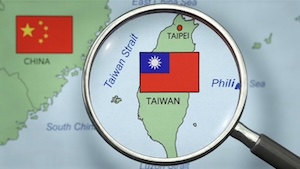
United States President Donald Trump met with President Xi Jinping of the People’s Republic of China at a summit in Beijing in mid-May. The two leaders spoke for about two hours behind closed doors, discussing the trade relationship between the world’s two largest economies, the emergence of artificial intelligence, and energy cooperation. But it was a pointed comment from Xi about Taiwan that hinted at an unresolved issue that may make or break global relations.
Walmart’s Diversification of Sourcing From China – A Relationship Decades in the Making, So Breaking Up is Really Hard to Do
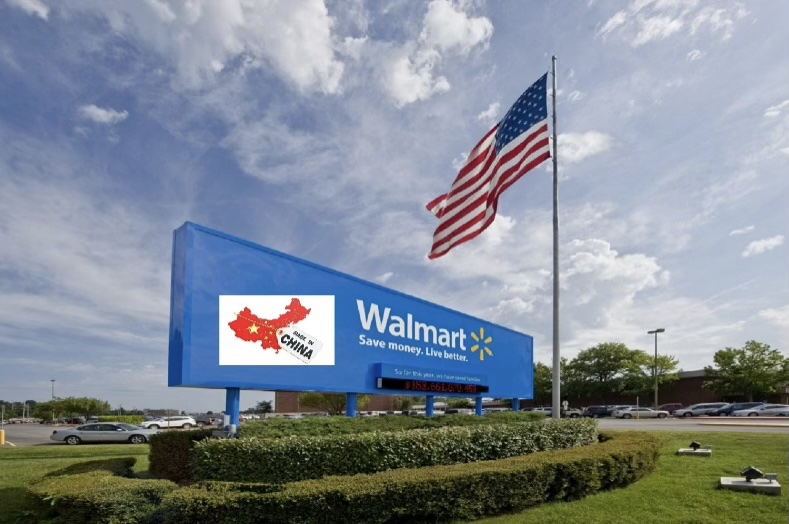
Walmart has been in China for about 30 years, entering the market in 1996 when it opened its first Walmart hypermarket and Sam’s Club in Shenzhen. There are now 342 retail stores, 279 Walmart Supercenters, and 63 Sam’s Clubs in China.
Hot Topics in International Trade AliExpress

VP of Marketing NBD Bob Brewer sits down with Victoria Holmes to discuss Chinese company AliExpress.
BRICS: An Update and a Challenge

Has BRICS finally produced an alternative to the “petrodollar” after twenty years? And does it live up to the hype? Depending on where you look online, key details are being left out. So, let’s slow down and review what’s actually happening.
BRICS and the Drive Towards De-Dollarization: Has It Stalled?

Could BRICS break the dollar’s grip? The answer is coming into sharper focus, and it’s more complicated than either the optimists or skeptics predicted. Since our previous analysis, BRICS has made concrete moves toward de-dollarization while simultaneously confronting harsh economic and political realities. The gap between ambition and achievement has never been clearer.
The Automotive Industry, China’s Semi Grip on Supply Chains, and General Motors 2027 Exit Strategy for Suppliers (Is a clean break even possible?)
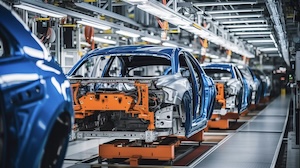
General Motors (GM) has instructed thousands of its suppliers to phase out sourcing parts and materials from China by 2027. The exit strategy began in early 2024, with the directive gaining momentum in spring of this year, 2025. This directive is part of GM’s broader strategy to enhance supply chain resiliency and reduce exposure to geopolitical risks, particularly amid escalating, or let’s just say, continuously fluctuating, U.S.–China trade tensions.