
Hot Topics in International Trade Section 232 with Senior Associate Attorney Kerry Wang and Bob Brewer
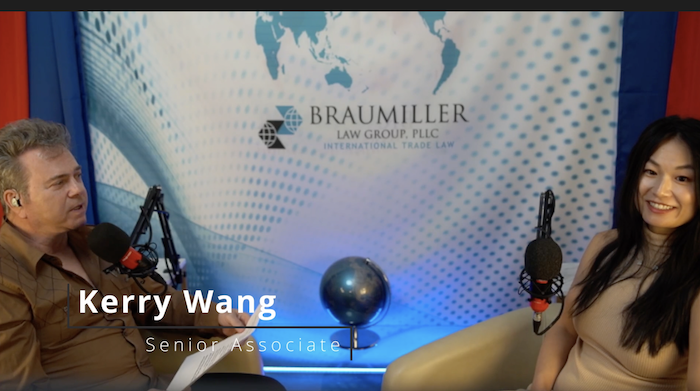
Senior Associate Attorney at Braumiller Law Group Kerry Wang sits down with Bob Brewer to discuss trade including the current administrations use of section 232.
Can BRICS Break the Dollar’s Grip?

For decades, the U.S. dollar has ruled the world. Whether a Brazilian farmer sells soybeans to China or an Indian company buys oil from the Middle East, chances are the transaction runs through greenbacks. Nearly 80 percent of global trade is still denominated in dollars—even when neither the buyer nor the seller is American.
China’s Global Port Investments – It’s About Control and the Reshaping of Trade Flows
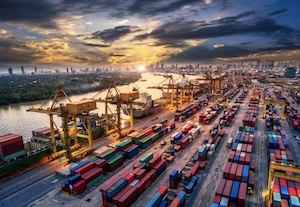
China owns outright or has majority control in 17 overseas ports globally, according to recent estimates. However, its broader footprint is much larger with 129 port projects worldwide that involve Chinese investment, construction, or operational control. 115 of these are active, spanning every continent except Antarctica, which is next.
Sanctions, Bans, and Tariffs How The U.S. is Fueling Chinese Innovation
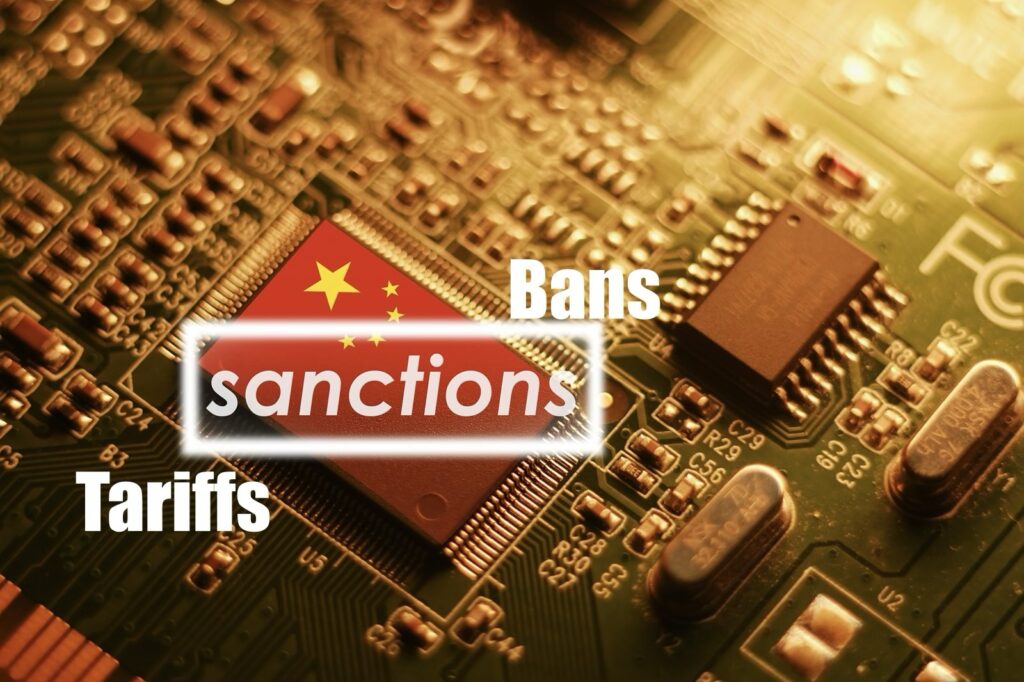
Just look at the current landscape of how China has been innovating through various trade related sanctions, bans, and tariffs. Necessity has always been the mother of invention, and in the case of China and the never-ending western pressure it has also been the catalyst in many cases for that which ultimately drives them to create and overcome.
Deep Thoughts with Bob Brewer VP Marketing at Braumiller Law Group
Bob Brewer VP Marketing at Braumiller Law Group shares his thoughts on his recent articles on international trade, including China.
Adrienne Braumiller Discusses Tariffs
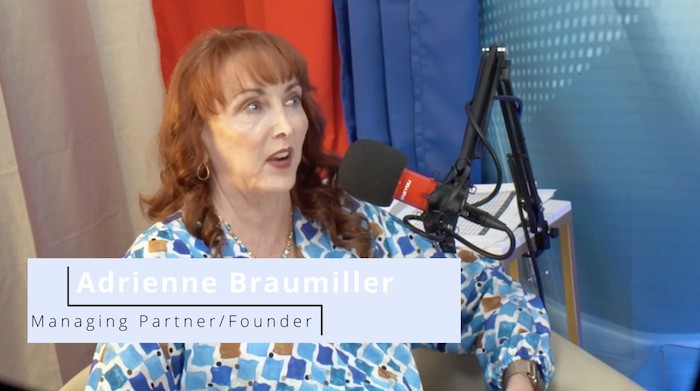
Adrienne Braumiller, Managing Partner and Founder of Braumiller Law Group sits down with Bob Brewer, VP at Braumiller Law Group, to discuss President Trump’s ever changing tariff environment since “liberation day” and the challenges posed in providing clients with accurate tracking information. They discuss the impact on U.S. manufacturing firms, including small ones that are finding it especially difficult to manage the impacts, as well as what the impact will be on China.
As the U.S. Pushes For More Protectionism, Global Trade Turns to Another Obvious Option- China
Here we are. August 1st, 2025, and the media is now publishing what facts they have on the various trade deals as well as those that have yet to come to fruition, in addition to the new announcement of imposed global tariffs which range anywhere from 10% to 41%, Yes, the trade world is on fire from a U.S. perspective. CNN, my “go-to” is reporting that the Trump Administration is imposing tariffs on over 60 countries around the globe.
The U.S. Effort to Keep AI Out of China’s Hands
It comes as no surprise China has been a major focus point of the second Trump administration. One of the key reasons for this focus is the increasing national security concerns over technology. In particular, the smuggling of AI chips, which China intends to use in developing advanced AI systems for military purposes and surveillance.
Rare Earth Minerals, and China’s Global Dominance

If I heard it once, I’ve heard it a thousand times, China is the sourcing capital of the world. I’ve also repeated this statement at least 400+ times in many conversations over the years regarding global trade. China, it’s also where the global market goes for rare earth minerals, among thousands of other necessary elements for a veritable plethora of life’s essential things.
U.S.-China Trade Relations: An Update on Tariffs

Since Trump’s first term, tensions between the United States and China, the world’s two largest economies, have been on the rise. President Trump ran for his second presidential term on a promise to reduce reliance on China – and promise kept. In one of his first Presidential actions, President Trump issued an “America First Trade Policy” memorandum dedicating an entire section to trade relations with China. Since then, several tariffs have been imposed on Chinese goods and the duty-free de minimis treatment for goods valued at $800 or less ended.