
From Awareness to Action: A Deep Dive into CTPAT Training
By: Judy Davis, Senior Trade Advisor, Braumiller Consulting Group In the global trade universe, where time holds huge importance, weak security practices in your international

By: Judy Davis, Senior Trade Advisor, Braumiller Consulting Group In the global trade universe, where time holds huge importance, weak security practices in your international

Several tribunals and courts were established at various periods of America’s history to resolve trade-related litigation, both at the trial and appellate levels, and even the Supreme Court has played a significant role in these disputes. The jurisdiction and structure of these courts evolved as the complexities and volume of trade disputes grew.

On September 15th, 2024, the Mexican Congress published on the Diario Oficial de la Federacion (Mexican Official Gazette) a decree to amend, add, and abolish several provisions of the Mexican Constitution regarding the Judicial Power. This reform, as it is being called, is one of the major changes to the Mexican Judicial System and has been met with heated debates by opponents who fear it will put the balance and separation of power at risk as it will result in a weakened and deteriorated judicial system overpassed by the legislative and executive powers.

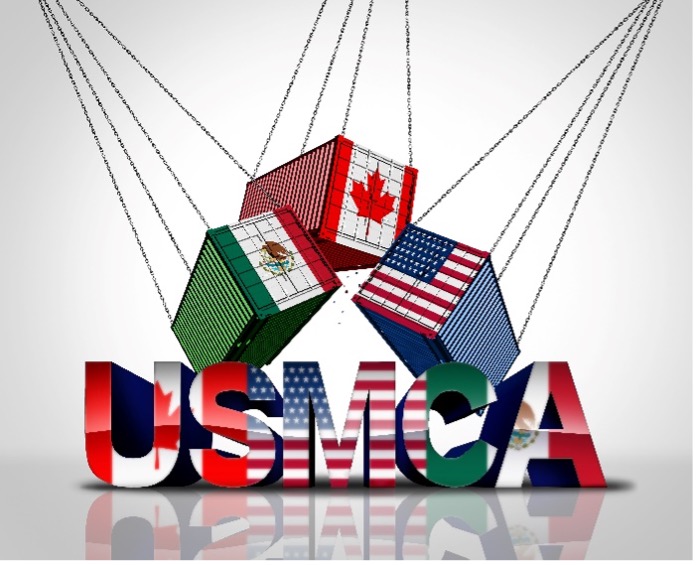
This is the second of a three-part series about the USMCA joint review process, focusing on China, Mexico, and competing visions of a “worker-centered” trade policy. Part one introduces the USMCA joint review process and explores how US trade policy would likely operate during Trump’s second term. Part two outlines some of the major trade issues that will be on the table during joint review, focusing on the Mexico-US relationship, and anticipates Harris’s likely approach to trade policy.

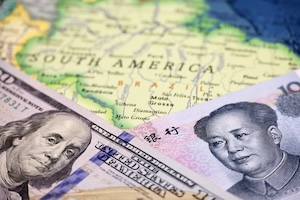
At a glance, gauging where we stand in our relationship with China overall, one would assume the key operative word in most descriptions would be “dismal” at best. This is of course accurate to a certain extent but looking at trade and commerce between the two countries, let’s take a look at the largest retailer in the U.S. as Walmart gives us a prime example of where we stand regarding unity as nations.

On September 15th, 2024, the Mexican Congress published on the Diario Oficial de la Federacion (Mexican Official Gazette) a decree to amend, add, and abolish several provisions of the Mexican Constitution regarding the Judicial Power. This reform, as it is being called, is one of the major changes to the Mexican Judicial System and has been met with heated debates by opponents who fear it will put the balance and separation of power at risk as it will result in a weakened and deteriorated judicial system overpassed by the legislative and executive powers.

Not only are shipments under $800 exempt from duty but they are also exempt from Section 301 duties on Chinese products, Consumer Product Safety Commission requirements, import quotas and other requirements. Although they are supposed to be subject to Antidumping and Countervailing duty and Food & Drug Administration requirements, many low value shipments pass through the system without meeting these requirements.

Decentralized Autonomous Organizations (DAOs) are a novel form of governance for blockchain-based protocols. Unlike traditional companies or non-profits, DAOs are member-controlled organizations that operate without a central authority or hierarchical management. Instead, DAOS use smart contracts, often on the Ethereum blockchain. DAOs often use governance tokens to enable members to vote on proposals, make collective decisions about the organization’s operations, treasury, and future development.

The union and management teams reached a settlement agreement that was announced on October 4, 2024 to end the port strike. The settlement does not resolve the issues, but extends the master contract to Jan. 15, 2025, to allow the sides to negotiate outstanding issues. A final agreement must be ratified by union members.

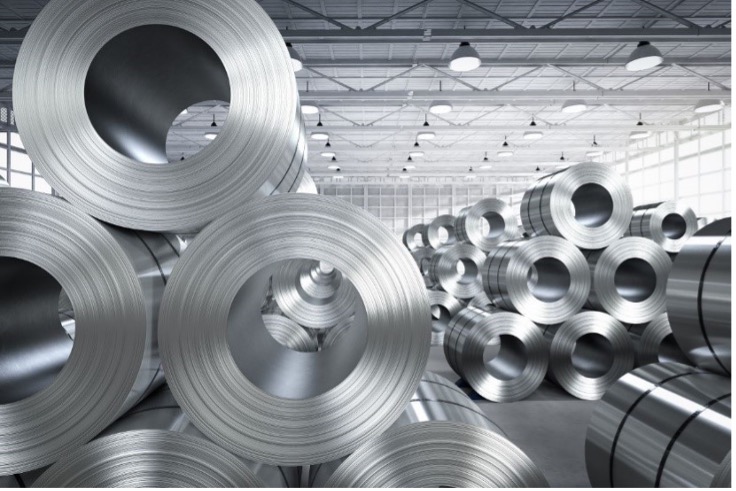
On September 27, 2024, Commerce announced its affirmative final determination in the ongoing AD / CVD aluminum extrusions investigation. On the same day Commerce also posted its Final Scope Issues and Decision Memorandum. In both, Commerce almost uniformly deferred to Petitioners in dismissing numerous comments of interested parties primarily challenging the scope of the investigation on a wide range of legal theories and practical considerations.

In 2024, China’s Belt and Road Initiative (BRI) saw significant financial engagement. Preliminary data indicates that China invested approximately $92.4 billion in various projects across the 149 countries involved in the BRI. China’s Belt and Road Initiative (BRI) encompasses numerous large-scale infrastructure projects across the globe.

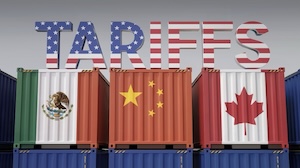
As of now, the start of 2025, there are several Chinese industrial parks in Mexico, with notable examples including the Hofusan Industrial Park near Monterrey, which hosts manufacturing plants for ten Chinese companies. When one is considering how to navigate the U.S. import tariffs, for many Chinese manufacturers, pulling the trigger on nearshoring is the right move.

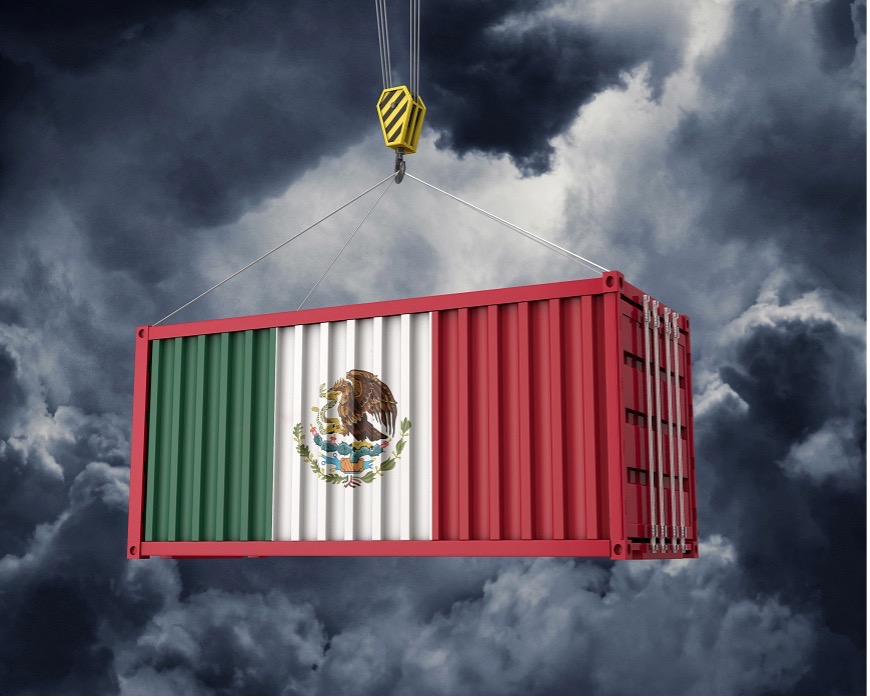
Recent announcements by former U.S. President Donald Trump regarding the potential imposition of import duties on goods from Mexico have created uncertainty for companies operating under the IMMEX program. Many businesses are concerned that the benefits provided by this program may no longer apply.

As one of his first official acts as President, Trump released his memorandum on America First Trade Policy. The policy offers insight into the new administration’s trade priorities and calls for a review of current trade-related policies. President Trump says his goal is to establish “a robust and reinvigorated trade policy that promotes investment and productivity, enhances our Nation’s industrial and technological advantages, defends our economic and national security, and — above all — benefits American workers, manufacturers, farmers, ranchers, entrepreneurs, and businesses.”

The Trump Administration has demonstrated a willingness to apply new tariffs to goods entering the U.S. as a viable tactic under its America First strategy to achieve greater fairness in its dealings with other countries. The application of tariffs is authorized under a number of standard legal procedures, such as trade remedy investigations to mitigate dumping of goods at less than fair value into the U.S. market or eliminating the unfair price advantages of government subsidies, and use of section 301 duties to respond to unfair trade practices by other countries. However, the broad-brush use of tariffs to coerce our trading partners to make concessions in non-trade areas to resolve a domestic crisis is relatively new.

I can’t help but reflect on a negotiation seminar I took in law school, where we studied the Madman Theory, popularized by Richard Nixon. The theory suggests that acting unpredictably or being willing to take extreme actions can create leverage. If your opponent believes you might “blow it all up,” they may feel forced to make concessions. This strategy clearly echoes Trump’s approach to trade policy.

President Donald Trump made headlines when he announced an External Revenue Service (ERS) agency to collect tariff incomes. The announcement sparked a heated debate among trade experts, economists, and business leaders. But, what exactly would be the purpose of the agency? Well, we can take the words spoken from his inauguration address as an answer.

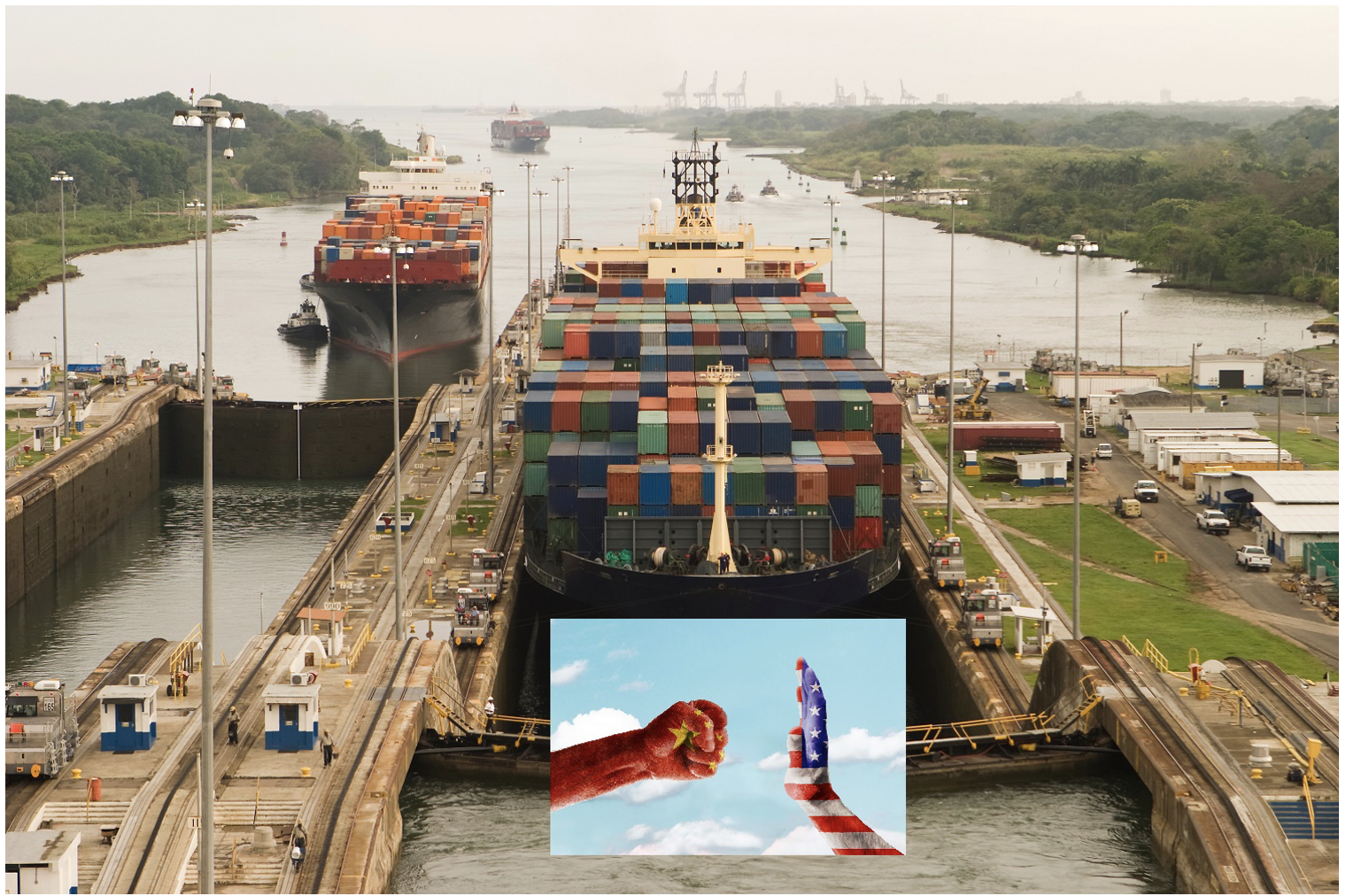
China has significantly expanded its economic and geopolitical footprint in Latin America, particularly through the acquisition and development of critical infrastructure such as ports, airfields, and railways. This strategic move has raised questions about the long-term implications for regional sovereignty, global trade routes, and the future of the Panama Canal, a linchpin of international maritime commerce.

If you have a company that imports chemicals – whether they are used as raw materials or components for onward manufacturing, or finished goods containing chemical components – you have been facing significant challenges over the last half-dozen years. Some of these challenges include the trade wars with China (I’m looking at you, Section 301) and the disruptive impact of COVID-19 to global supply chains. In response to these challenges, you have maybe modified your supply chain to reduce your dependence on Chinese chemical imports. Or perhaps your supply chain was not largely affected by Section 301 tariffs (if so, consider yourself lucky – and may your luck hold!).

A customs broker license is issued to a person who has successfully passed a grueling licensing exam (after paying the exam fee), submitted a license application (along with another fee), and passed the subsequent FBI background investigation. The open-book exam, which lasts 4½ hours and comprises 80 multiple-choice questions, is ostensibly intended to measure one’s knowledge about various customs-related regulations and practices yet experience or employment in a customs-related job is not a prerequisite.