Customs Fraud, Whistleblowers, and $1.8 Billion in Liability: Lessons for Importers

The outcome of this customs fraud criminal investigation case highlights significant compliance risks for importers, particularly in the areas of classification, documentation, and internal controls.
What a “Mess”: IEEPA Refunds and the Emerging Wave of Consumer Litigation
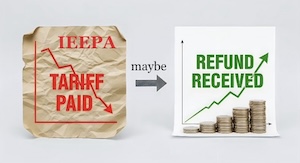
When the U.S. Supreme Court invalidated certain tariffs imposed under the International Emergency Economic Powers Act (IEEPA) in Learning Resources, Inc. v. Trump, it did more than reshape trade policy. The decision triggered a complex series of questions regarding tariff refunds, consumer rights, and corporate liability – questions whose effects continue to be felt far beyond the trade community, reaching businesses and households across the US.
Walmart’s Diversification of Sourcing From China – A Relationship Decades in the Making, So Breaking Up is Really Hard to Do
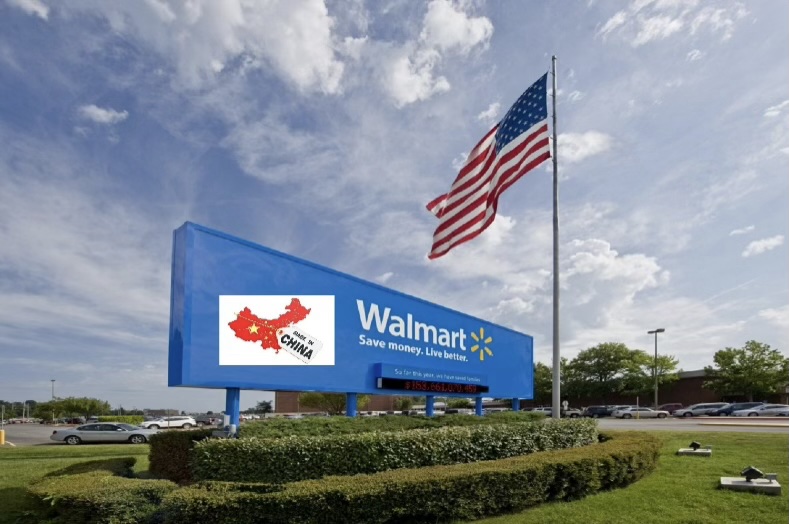
Walmart has been in China for about 30 years, entering the market in 1996 when it opened its first Walmart hypermarket and Sam’s Club in Shenzhen. There are now 342 retail stores, 279 Walmart Supercenters, and 63 Sam’s Clubs in China.
Bob Brewer and Adrienne Braumiller, BLG Managing Partner, Discuss the Section 122 Tariffs Being Struck Down by the Court of International Trade
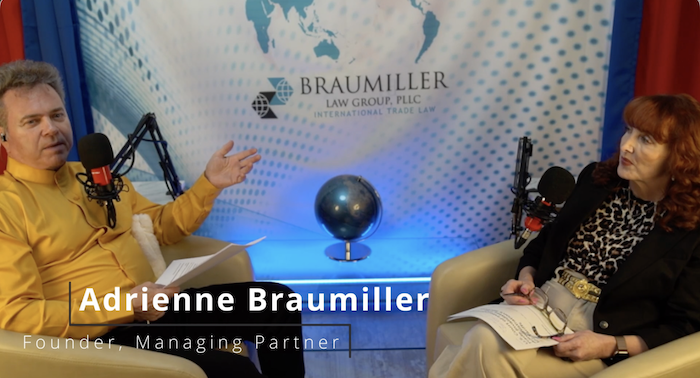
Bob Brewer and Adrienne Braumiller, BLG Managing Partner, discuss the Section 122 tariffs being struck down by the Court of International Trade
IEEPA Update With Braumiller Law Group Managing Partner Adrienne Braumiller
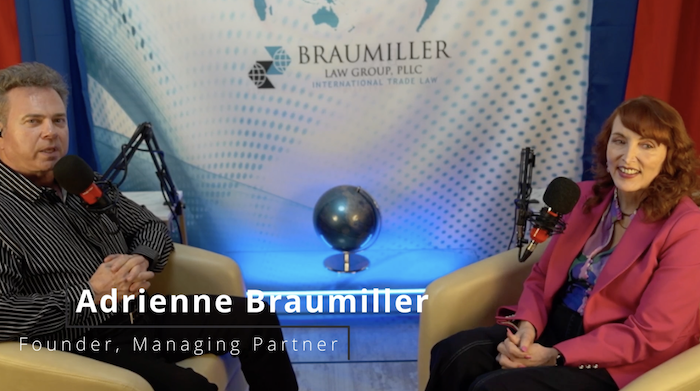
Braumiller Law Group Managing Partner Adrienne Braumiller provides an update on the IEEPA refund process.
Section 232 and Iron: What CBP’s New Guidance Means for Your Imports – The Difference Between Steel and Iron Has Never Mattered More
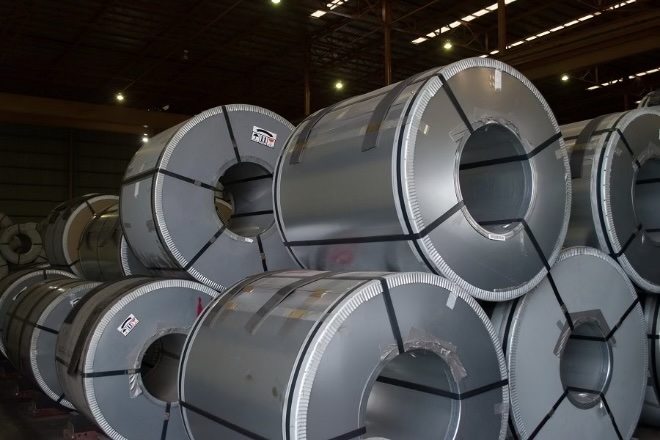
We are operating in one of the most volatile trade environments in recent memory. Tariff policy is shifting faster than most compliance programs can absorb. In that context, CBP’s March 15 guidance on Section 232 content value is not just a technical update. It brings meaningful clarity and importers who move quickly may find real money on the table.
Section 301 Tariffs: A New Phase in U.S. Trade Policy
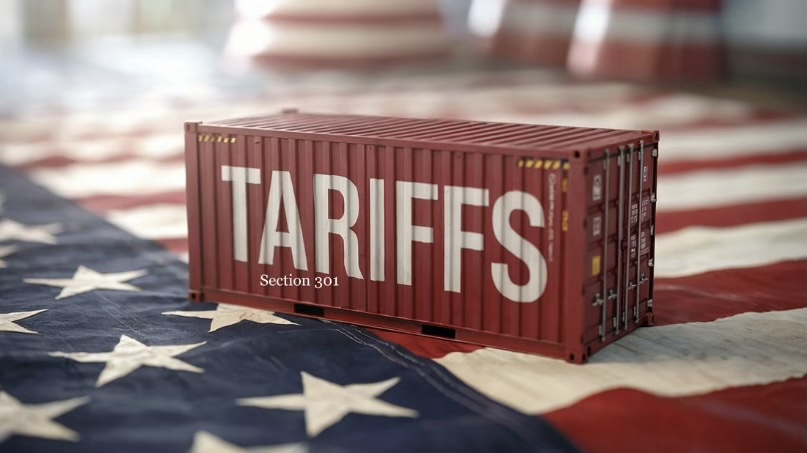
The resurgence of Section 301 tariff investigations marks a pivotal shift in U.S. trade policy. Following the Supreme Court’s invalidation of tariffs imposed under the International Emergency Economic Powers Act (IEEPA), the Office of the U.S. Trade Representative (USTR) has turned to Section 301 of the Trade Act of 1974 as a more durable legal pathway to reimpose and potentially expand tariff measures.
Supreme Court Clarifies Separation of Powers in IEEPA Tariffs Decision
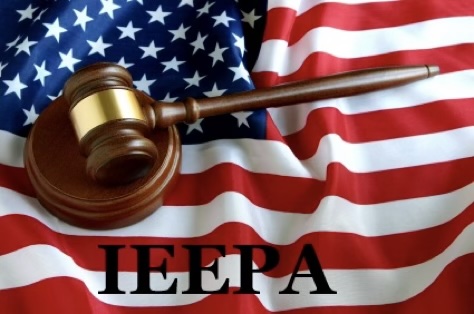
In the final analysis, this case stands as one of the most important separation of powers decisions in the economic domain in U.S. history. It clarifies that tariffs are a form of taxation reserved to Congress, embeds the major questions doctrine in trade law, and reasserts the structural boundary between legislative and executive authority.
Hot Topics in International Trade – The Value Manifest Update with Brenda Cordova, Braumiller Law Group
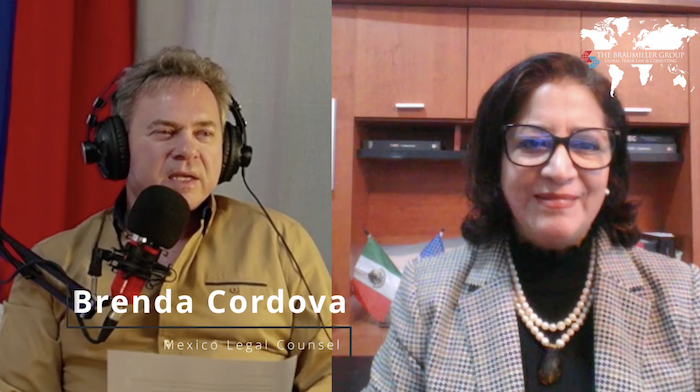
Hot Topics in International Trade – Brenda Cordova, Braumiller Law Group Mexico Legal Counsel, stops by to discuss the New Mexican Electronic Value Manifest with Bob Brewer VP Marketing & NBD of Braumiller Law Group.
Hot Topics in International Trade – The Current FTZ Landscape with Robert Stein VP Braumiller Consulting
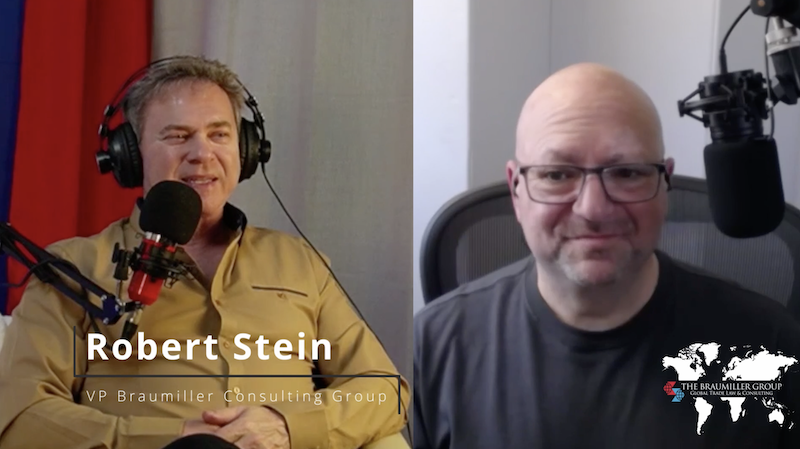
Hot Topics in International Trade – Robert Stein, Vice President of Braumiller Consulting Group, stops by to discuss the current FTZ landscape with Bob Brewer VP Marketing & NBD of Braumiller Law Group.