News Articles

China’s Belt and Road

China’s Belt and Road Initiative, Building Global Infrastructure Regarding Trade, It’s a Major Competition

In 2024, China’s Belt and Road Initiative (BRI) saw significant financial engagement. Preliminary data indicates that China invested approximately $92.4 billion in various projects across the 149 countries involved in the BRI. China’s Belt and Road Initiative (BRI) encompasses numerous large-scale infrastructure projects across the globe.

Read More »
China in Mexico

Chinese Industrial Parks in Mexico, Mexico a Growing Hub for Chinese FDI (And BYD)

As of now, the start of 2025, there are several Chinese industrial parks in Mexico, with notable examples including the Hofusan Industrial Park near Monterrey, which hosts manufacturing plants for ten Chinese companies. When one is considering how to navigate the U.S. import tariffs, for many Chinese manufacturers, pulling the trigger on nearshoring is the right move.

Read More »
America First Trade Policy

Should we Expect More Tariffs in the Future? Understanding Trump’s America First Trade Policy

As one of his first official acts as President, Trump released his memorandum on America First Trade Policy. The policy offers insight into the new administration’s trade priorities and calls for a review of current trade-related policies. President Trump says his goal is to establish “a robust and reinvigorated trade policy that promotes investment and productivity, enhances our Nation’s industrial and technological advantages, defends our economic and national security, and — above all — benefits American workers, manufacturers, farmers, ranchers, entrepreneurs, and businesses.” 

Read More »
Coercion in International Trade

Is Coercion the Best Approach to North American Trade?

The Trump Administration has demonstrated a willingness to apply new tariffs to goods entering the U.S. as a viable tactic under its America First strategy to achieve greater fairness in its dealings with other countries. The application of tariffs is authorized under a number of standard legal procedures, such as trade remedy investigations to mitigate dumping of goods at less than fair value into the U.S. market or eliminating the unfair price advantages of government subsidies, and use of section 301 duties to respond to unfair trade practices by other countries. However, the broad-brush use of tariffs to coerce our trading partners to make concessions in non-trade areas to resolve a domestic crisis is relatively new.

Read More »
madman theory

Trade War and the Madman Theory: A Personal Reflection

I can’t help but reflect on a negotiation seminar I took in law school, where we studied the Madman Theory, popularized by Richard Nixon. The theory suggests that acting unpredictably or being willing to take extreme actions can create leverage. If your opponent believes you might “blow it all up,” they may feel forced to make concessions. This strategy clearly echoes Trump’s approach to trade policy.

Read More »
external revenue service

The External Revenue Service: A Bureaucratic Overreach or Necessary Reform?

President Donald Trump made headlines when he announced an External Revenue Service (ERS) agency to collect tariff incomes. The announcement sparked a heated debate among trade experts, economists, and business leaders. But, what exactly would be the purpose of the agency? Well, we can take the words spoken from his inauguration address as an answer.

Read More »
china's growing influence in latin america

China’s Growing Influence in Latin America: Infrastructure Investments and Implications for the Panama Canal

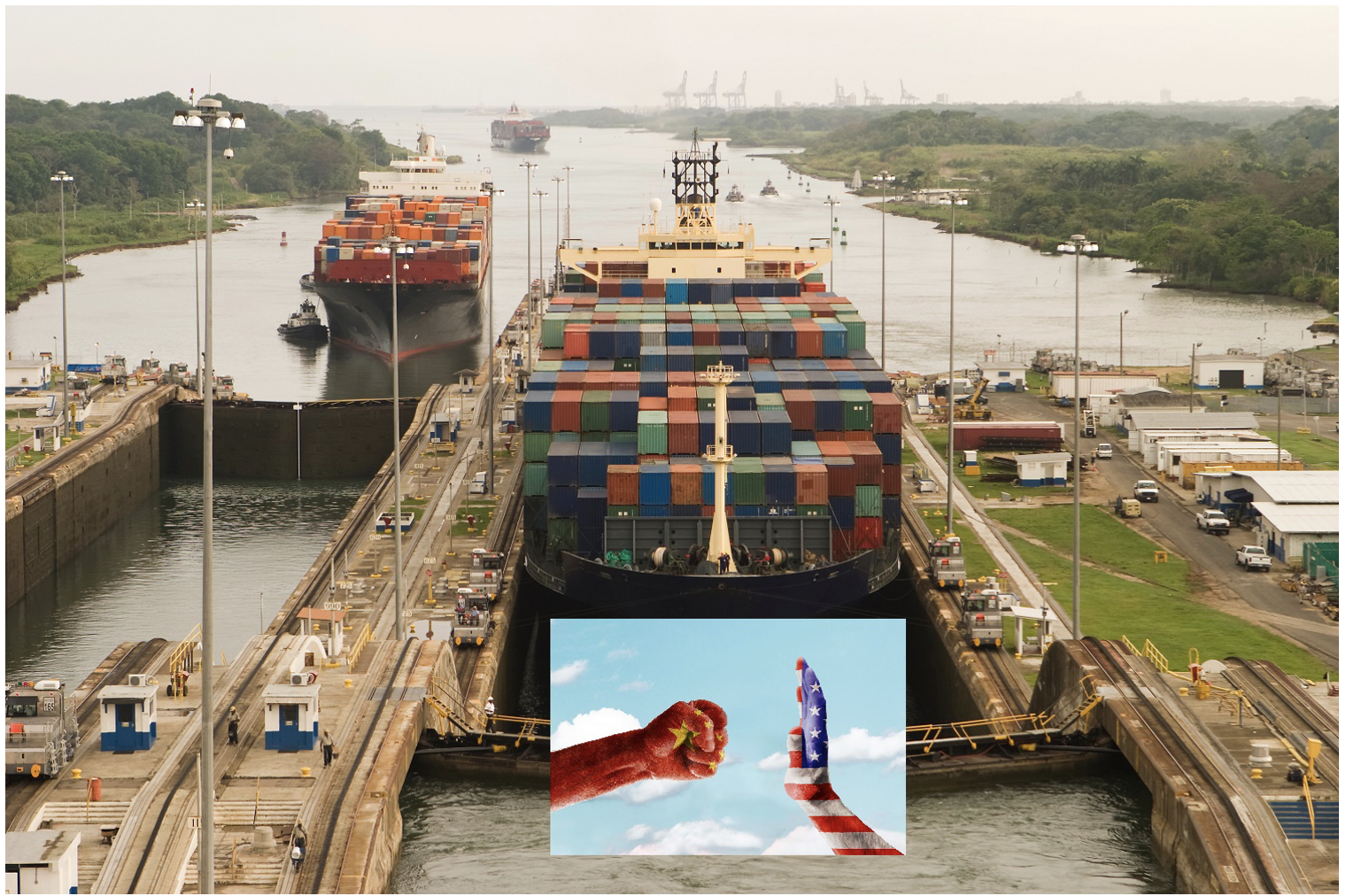
China has significantly expanded its economic and geopolitical footprint in Latin America, particularly through the acquisition and development of critical infrastructure such as ports, airfields, and railways. This strategic move has raised questions about the long-term implications for regional sovereignty, global trade routes, and the future of the Panama Canal, a linchpin of international maritime commerce.

Read More »
Chemical Classification

Chemical Classification, It Matters, Now More Than Ever-To Most

If you have a company that imports chemicals – whether they are used as raw materials or components for onward manufacturing, or finished goods containing chemical components – you have been facing significant challenges over the last half-dozen years. Some of these challenges include the trade wars with China (I’m looking at you, Section 301) and the disruptive impact of COVID-19 to global supply chains. In response to these challenges, you have maybe modified your supply chain to reduce your dependence on Chinese chemical imports.  Or perhaps your supply chain was not largely affected by Section 301 tariffs (if so, consider yourself lucky – and may your luck hold!).

Read More »
Customs broker license exam

The U.S. Customs Broker License Exam: Tips and Perspectives

A customs broker license is issued to a person who has successfully passed a grueling licensing exam (after paying the exam fee), submitted a license application (along with another fee), and passed the subsequent FBI background investigation. The open-book exam, which lasts 4½ hours and comprises 80 multiple-choice questions, is ostensibly intended to measure one’s knowledge about various customs-related regulations and practices yet experience or employment in a customs-related job is not a prerequisite.

Read More »
Mexican steel

Importing Steel into Mexico A Pillar of Compliance for Suppliers Trading with Mexico

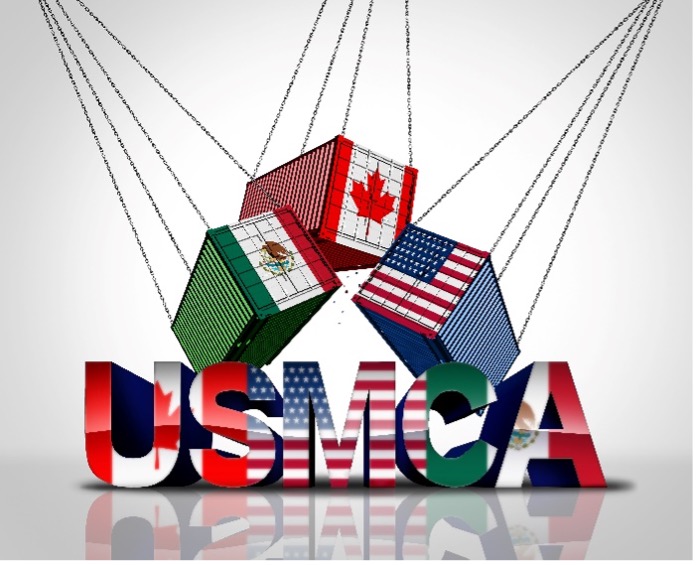
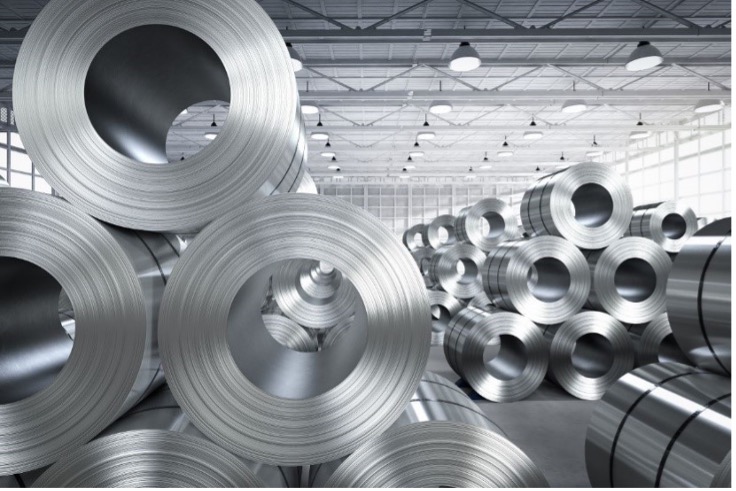
The steel trade with Mexico is particularly strategic at this moment. Companies are shifting supply chains to North America, and Mexico which has been an attractive manufacturing hub for various industries, such as automotive, aerospace, construction, electronics, household appliances, and more. This trend is driving strong demand for imported steel while simultaneously creating new export opportunities for Mexican producers. Much of this advantage stems from the USMCA, because steel originating within the USCMA region can qualify for preferential tariff treatment when traded within the United States and Canada, provided that the applicable rules of origin are fully met.

Read More »
Rare Earth

Rare Earth Minerals-Part 2 – Enter Greenland’s Global Significance

It’s been more than a little concerning to the Trump Administration as these deposits have everything to do with international security as they are needed in the production of the very high-end microchips. So, now that it has been discovered that Greenland apparently has one of the largest deposits on the planet, Trump has stated that we will have Greenland, one way or another. While he hasn’t explicitly committed to military action, he’s made it clear that he won’t rule it out.

Read More »
Stablecoin

Wyoming Laws More Crypto-Friendly with Issuance of State Stablecoin

On August 29, 2025, Wyoming made history becoming the first state in the United States to issue its own stablecoin, the Frontier (FRNT) token, marking a groundbreaking moment in state-level cryptocurrency adoption. Wyoming’s pioneering move represents more than just technological innovation. It signals a fundamental shift in how states can leverage blockchain technology with robust legal frameworks to modernize their financial infrastructure and maintain competitive advantages in the evolving digital economy.

Read More »
tariffs

Preserving Refund Rights for IEEPA-Based Tariffs

Importers who have paid tariffs imposed under the International Emergency Economic Powers Act (IEEPA) should take immediate steps to preserve their eligibility for potential refunds. Multiple lawsuits are currently challenging the legality of these tariffs, and the Supreme Court is set to decide the issue in November. If the Court ultimately invalidates the tariffs, importers may be entitled to recover duties paid. However, securing refunds depends on preserving jurisdictional options—especially given the uncertainty about whether these tariffs constitute a protestable decision under customs law. There are three potential refund mechanisms at play.

Read More »
ieepa tariffs

Unconstitutionality of IEEPA Tariffs Upheld – Supreme Court to Review

On May 28, 2025, a three-judge panel at the Court of International Trade (CIT) ruled in two cases (VOS Selections, Inc. v. Trump and the State of Oregon v. Trump) that the Presidential actions taken under the International Emergency Economic Powers Act (IEEPA) (50 U.S.C. §§ 1701–1707) to impose tariffs on Canada, Mexico and China for illegal immigration and fentanyl smuggling are unconstitutional. The CIT said that the tariff actions did not directly address the declared emergency and were not delegated by Congress to the Executive Branch and therefore exceed the President’s tariff setting authority under the Constitution.

Read More »
de minimis

The End of De Minimis Section 321 Clearances

Prior to August 29 of this year, 19 USC 321 – popularly known as a Section or de minimis clearance – allowed imported shipments valued at less than $800 to enter the US free of duty and entry requirements. The idea behind this was (1) the cost of processing an entry and duty payment would be more than the duty collected, and (2) setting the threshold at this level would promote eCommerce. It would also allow US Customs & Border Protection (CBP) to use its resources more effectively.

Read More »
Chinese innovation

Sanctions, Bans, and Tariffs How The U.S. is Fueling Chinese Innovation

Just look at the current landscape of how China has been innovating through various trade related sanctions, bans, and tariffs. Necessity has always been the mother of invention, and in the case of China and the never-ending western pressure it has also been the catalyst in many cases for that which ultimately drives them to create and overcome.

Read More »
japan

Japan and U.S. Trade Agreement

After challenging negotiations and rising tariff tensions, the U.S. and Japan have reached a trade deal. This agreement precedes the August 1st tariff deadline, preventing a scheduled 25% tariff increase on Japanese products. The deal includes substantial Japanese investments in the U.S.

Read More »
protectionism

As the U.S. Pushes For More Protectionism, Global Trade Turns to Another Obvious Option- China

Here we are. August 1st, 2025, and the media is now publishing what facts they have on the various trade deals as well as those that have yet to come to fruition, in addition to the new announcement of imposed global tariffs which range anywhere from 10% to 41%, Yes, the trade world is on fire from a U.S. perspective. CNN, my “go-to” is reporting that the Trump Administration is imposing tariffs on over 60 countries around the globe.

Read More »