The Frictionless Supply Chain Podcast with Adrienne Braumiller
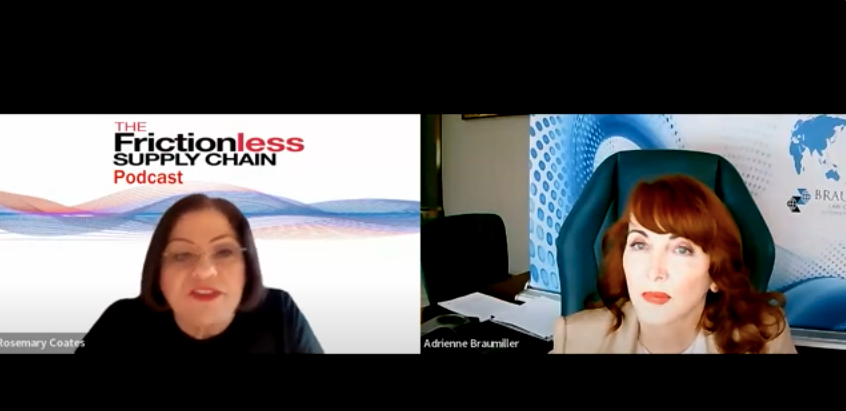
Rosemary Coates interviews Adrienne Braumiller for an in depth conversation about the Uyghur Forced Labor Protection Act and the stress caused on global supply chains.
Latest Developments with The Uyghur Forced Labor Prevention Act and New Leadership at the Department of Homeland Security Signal Heavier Enforcement is Likely
In recent years, the global spotlight has illuminated the grave concerns surrounding human rights violations within China’s Xinjiang region, particularly those impacting the Uyghur population. The Uyghur Forced Labor Prevention Act (UFLPA) stands as a pivotal piece of legislation designed to address these concerns and to ensure that products imported into the United States are devoid of forced labor originating from the Xinjiang region.
U.S. Trade, Nearshoring & China Mexico is Becoming a Popular Manufacturing Destination
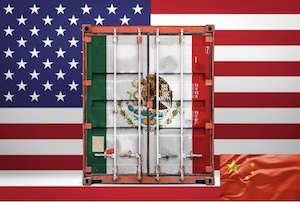
The implementation of trade policies in what many consider acts of protectionism and manipulation are the norm, and of course China and the U.S. are a prime example. Solutions include nearshoring, reshoring, and protectionism. It’s complicated, so for the purpose of this article, let’s stick with nearshoring.
IMMEX
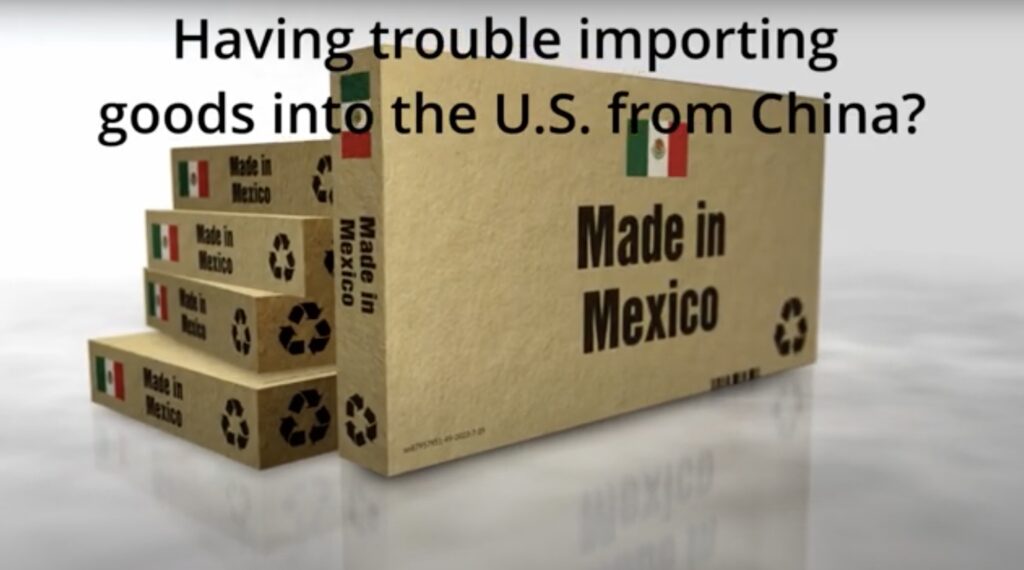
Companies moving from Chinese to Mexican suppliers need to navigate IMMEX. Braumiller Law Group can help.
Forced Labor Goods from the Uyghur Region in China through Malaysia
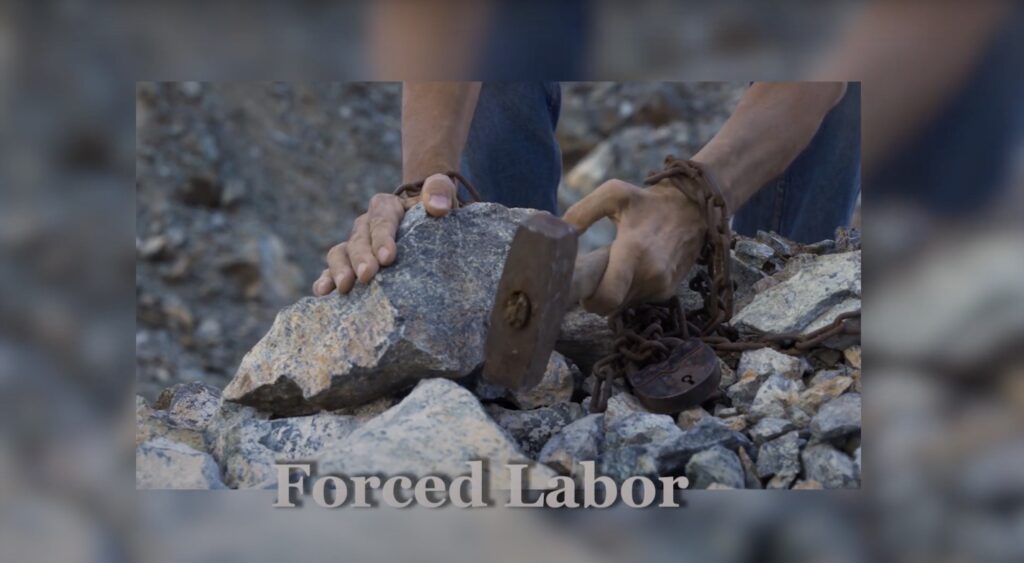
Companies try to shield detection of forced labor goods from the Uyghur Region in China by shipping through Malaysia to avoid accurately reporting the country of origin. Adrienne Braumiller discusses the importance of tracing your supply chain to avoid violating forced labor laws.
Hot Topics in International Trade: Deep Thoughts by Bob

Bob Brewer discusses international trade and an upcoming meeting between President Biden and China’s President Xi Jinping. He discusses the Chinese threat to Taiwan and whether Xi will take lessons from Putin and is invasion of Ukraine.
Hot Topics in International Trade: Anti-dumping and Countervailing Duty #004
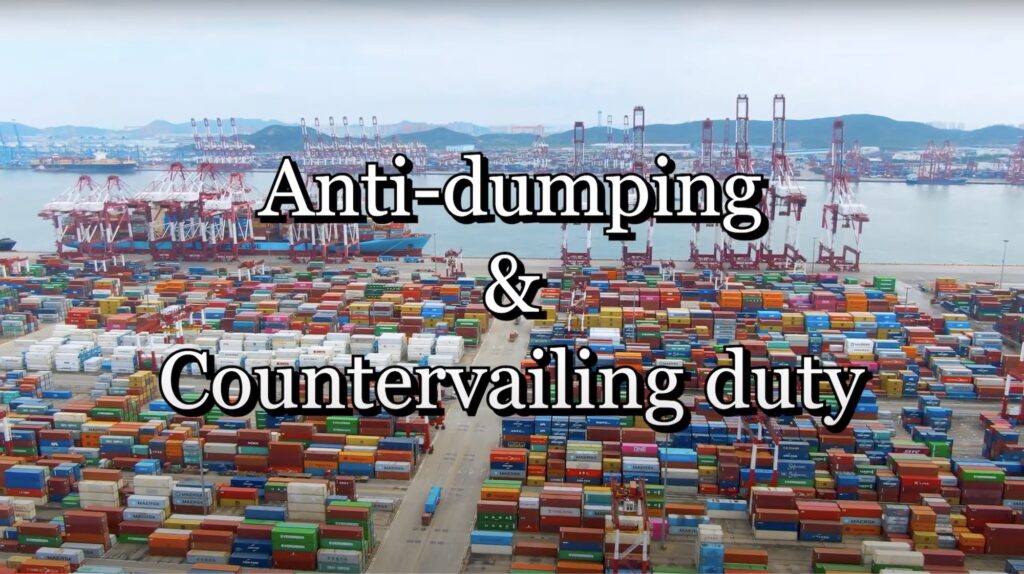
Harold Jackson discusses China, anti-dumping and countervailing duty. Impacts on products such as steel and aluminum are discussed and how China has increased production of metals that are cheaper than those manufactured in the U.S.. He discusses the sizes of associated dumping rates that are used to protect domestic industries.
Hot Topics in International Trade: China & BIS Export Controls #003
Harold Jackson discusses China and BIS (Bureau of Industry and Security) action on AI, advanced computing and semiconductors that restricts exports to China. He reviews licensing and how companies can navigate through these restrictions.
Taiwan – U.S. 21st Century Trade Initiative, More Than Just a Trade Agreement. A Statement to Beijing Perhaps
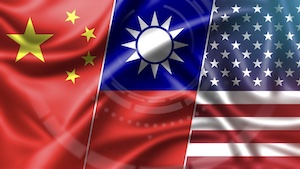
A little over a year ago on June 1, 2022, the United States and Taiwan launched the United States-Taiwan Initiative on 21st-Century Trade to deepen their economic ties and trade relationship, and advance mutual trade priorities based on shared values, promoting innovation, and economic growth for workers and businesses.
Another China Competition Bill: The Future of Section 301 Exclusions

The Trade Act of 1974 grants the President broad powers to manage trade relationships with foreign countries. Section 301 of the act allows the President, acting through the United States Trade Representative (“USTR”), to impose retaliatory tariffs on imports from a country if the USTR determines that country’s economic conduct “is unreasonable or discriminatory and burdens or restricts United States commerce.”