
Section 301 Tariffs: A New Phase in U.S. Trade Policy
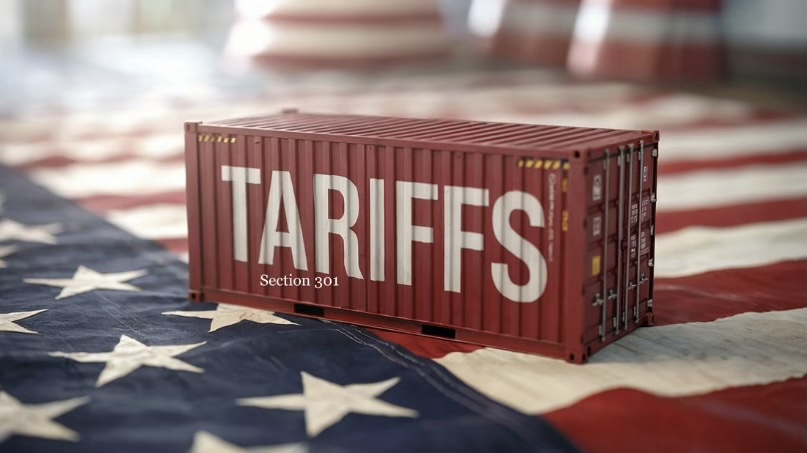
The resurgence of Section 301 tariff investigations marks a pivotal shift in U.S. trade policy. Following the Supreme Court’s invalidation of tariffs imposed under the International Emergency Economic Powers Act (IEEPA), the Office of the U.S. Trade Representative (USTR) has turned to Section 301 of the Trade Act of 1974 as a more durable legal pathway to reimpose and potentially expand tariff measures.
2025 Trade Policy Agenda Provides Rationale for Trump Tariff Actions
On March 3, 2025, the Office of the United States Trade Representative (USTR) released the 2025 Trade Policy Agenda and 2024 Annual Report on the Trade Agreements Program. The report outlines the rationale of the Trump Administration for its trade policy goals and actions. It complements and expands on the America First Trade Policy Executive Order and also encompasses the massive imposition of tariffs by the President on April 2 in his so-called “Liberation Day” Executive Order and Fact Sheet.
USTR Extends Certain Section 301 Exclusions for One Year – Is Your Exclusion Still Valid?

The United States Trade Representative (USTR) recently released a list of Section 301 exclusions that would be extended through May 31, 2025. Within the Notice, the USTR explained that extending these exclusions will support efforts to shift sourcing out of China, or provide additional time where, despite efforts to source products from alternative sources, availability of the product outside of China remains limited.
Hot Topics In International Trade: Section 301 #002
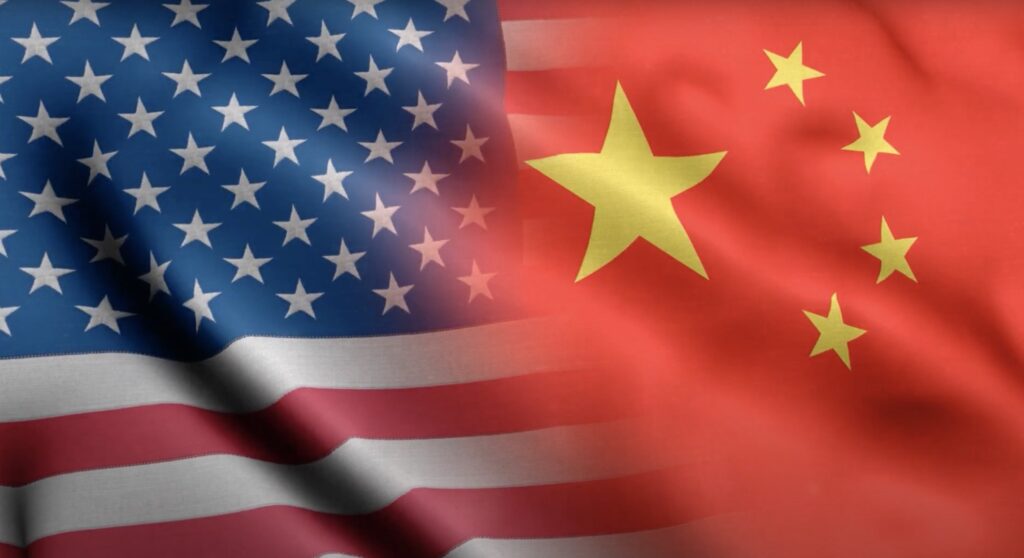
Brandon French discusses section 301. He reviews China entering the WTO in 2001 and the 2017 USTR investigation that led to tariffs on Chinese imports to the U.S.. Brandon talks about the process of tariff exclusion requests for goods deemed to be only available from China.
Another China Competition Bill: The Future of Section 301 Exclusions

The Trade Act of 1974 grants the President broad powers to manage trade relationships with foreign countries. Section 301 of the act allows the President, acting through the United States Trade Representative (“USTR”), to impose retaliatory tariffs on imports from a country if the USTR determines that country’s economic conduct “is unreasonable or discriminatory and burdens or restricts United States commerce.”
Section 301 Update: Four-Year Review, Exclusions, Litigation, and the Future of China Tariffs

China Tariffs are here to stay – for now. The Biden Administration continues to defend the Trump-era tariffs on goods from China with little guidance as domestic inflation climbs steadily. Meanwhile, 2022 has been a busy year for the Office of the U.S. Trade Representative (“USTR”). The agency was instructed by the Court of International Trade to provide further written justification for the Section 301 Actions for Lists 3 and 4a in the wake of the agency’s obligatory four-year review of each tariff action.
Snapshot of Section 301 Litigation – Litigating the Adequacy of the USTR’s Rationale for List 3 and List 4a

The legality of the Section 301 Actions for List 3 ($200 Billion Trade Action) and 4a ($300 Billion Trade Action) continues to be contentiously disputed before the Court of International Trade. The mass action, In re Section 301 Cases, No. 21-00052, encompasses claims of over 6,500 Plaintiffs that argue the Section 301 Duties, enacted under the Trade Act of 1974, are illegal.
Understanding the Statutory Four-Year Review Period of the Tariffs
Many importers are eagerly awaiting the United States Trade Representative’s (“USTR”) required four-year review of the Section 301 Chinese tariffs. Section 301 of the Trade Act of 1974 grants the Office of the USTR a range of responsibilities and authorities to investigate and take action to enforce U.S. rights under trade agreements and respond to certain foreign trade practices.
Critical Updates from the U.S. Trade Representative – The U.S.-China Trade Relationship

Since taking office as the U.S. Trade Representative (“USTR”), Katherine Tai has prioritized trade policies focused on protecting American workers’ rights and promoting sustainable environmental practices through trade agreements.
Refunds Available? USTR Announces Reinstated Section 301 Exclusions
Since the end of 2020, almost all companies were forced to begin paying the Section 301 duties as most available exclusions expired. This was a major hit for companies who were relying on the exclusions, as the additional duties were either 25% (List 1, 2, and 3) or 15% (List 4A).