A New Era of Trade Fraud Enforcement

The new DHS/DOJ Trade Fraud Resource Guide should resonate across the trade ecosystem, especially for importers, Customs brokers, and in-house counsel.
The Four Horsemen and Global Trade BLG

When Global Trade creates global chaos and difficult supply chain decisions are needed for trade compliance, BLG can help guide you.
Contracts and Purchase Orders in Mexico – Their Role in Demonstrating Customs Compliance and the Substance of Foreign Trade Transactions

Mexico’s customs and foreign trade legal framework has evolved toward a stricter and more controlled compliance model.
Customs Enforcement Overhaul: What Importers and Brokers Need to Do Now

On June 3, 2026, President Trump issued Executive Order 14411, “Strengthening Customs Enforcement,” directing the Department of Homeland Security and U.S. Customs and Border Protection to tighten importer eligibility, increase disclosure obligations, and expand enforcement measures across the U.S. import system.
New Executive Order Strengthening CBP Enforcement

President Trump signed the new Executive Order “Strengthening Customs Enforcement.” This new order from the administration tackles different administrative priorities related to customs: Customs Reform and Combatting Customs Fraud. The order-related fact sheet goes into detail about how the Executive Order addresses these objectives and how this will affect importers moving forward.
Customs Fraud, Whistleblowers, and $1.8 Billion in Liability: Lessons for Importers

The outcome of this customs fraud criminal investigation case highlights significant compliance risks for importers, particularly in the areas of classification, documentation, and internal controls.
Hot Topics in International Trade – The Value Manifest Update with Brenda Cordova, Braumiller Law Group
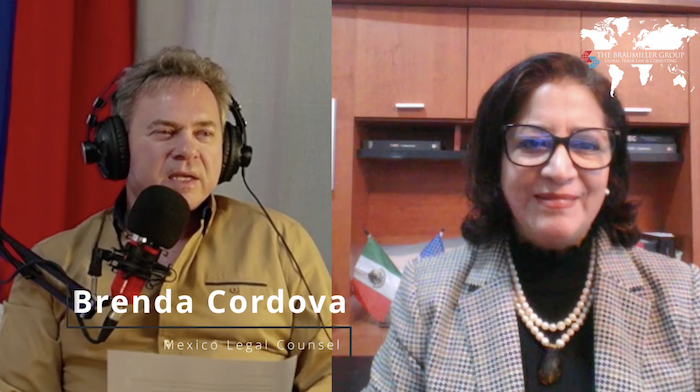
Hot Topics in International Trade – Brenda Cordova, Braumiller Law Group Mexico Legal Counsel, stops by to discuss the New Mexican Electronic Value Manifest with Bob Brewer VP Marketing & NBD of Braumiller Law Group.
CBP Statute of Limitations Waivers – Overview of Issues and Operation

Many trade practitioners that have had experience with a CBP prior disclosure or penalty action have encountered a request by CBP to execute a Statute of Limitations (SOL) waiver. These are usually accompanied by a request for the importer to provide a corporate resolution or the equivalent evidencing the authority of the SOL waiver signatory to sign the waiver on behalf of the importer / company.
Contratos Celebrados por Importadores Mexicanos (Su Relevancia en la Materialidad de las Operaciones Aduaneras y de Comercio Exterior)

El marco jurídico mexicano en materia aduanera y de comercio exterior ha evolucionado hacia un modelo de cumplimiento más estricto y controlado. Las autoridades ya no solo exigen que los importadores identifiquen cual es la mercancía objeto de la importación, sino también que acrediten bajo que términos y condiciones se realiza la operación de comercio exterior.
Contracts Executed by Mexican Importers (Their Relevance to the Substantiation of Customs and Foreign Trade Operations)
The Mexican legal framework governing customs and foreign trade has evolved toward a stricter and more controlled compliance model. Authorities no longer require importers merely to identify the goods being imported; they now also require proof of the terms and conditions under which the foreign trade transaction is conducted.