News Articles

China’s Belt and Road

China’s Belt and Road Initiative, Building Global Infrastructure Regarding Trade, It’s a Major Competition

In 2024, China’s Belt and Road Initiative (BRI) saw significant financial engagement. Preliminary data indicates that China invested approximately $92.4 billion in various projects across the 149 countries involved in the BRI. China’s Belt and Road Initiative (BRI) encompasses numerous large-scale infrastructure projects across the globe.

Read More »
China in Mexico

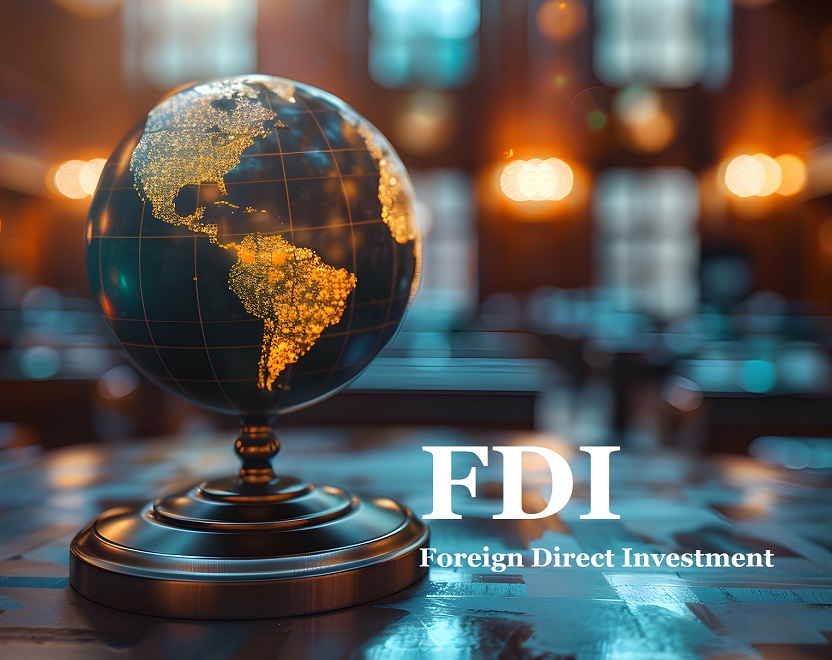
Chinese Industrial Parks in Mexico, Mexico a Growing Hub for Chinese FDI (And BYD)

As of now, the start of 2025, there are several Chinese industrial parks in Mexico, with notable examples including the Hofusan Industrial Park near Monterrey, which hosts manufacturing plants for ten Chinese companies. When one is considering how to navigate the U.S. import tariffs, for many Chinese manufacturers, pulling the trigger on nearshoring is the right move.

Read More »
America First Trade Policy

Should we Expect More Tariffs in the Future? Understanding Trump’s America First Trade Policy

As one of his first official acts as President, Trump released his memorandum on America First Trade Policy. The policy offers insight into the new administration’s trade priorities and calls for a review of current trade-related policies. President Trump says his goal is to establish “a robust and reinvigorated trade policy that promotes investment and productivity, enhances our Nation’s industrial and technological advantages, defends our economic and national security, and — above all — benefits American workers, manufacturers, farmers, ranchers, entrepreneurs, and businesses.” 

Read More »
Coercion in International Trade

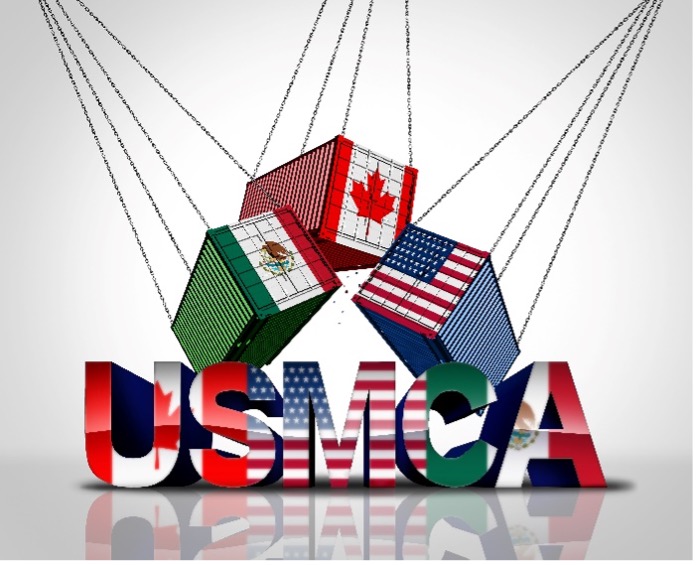
Is Coercion the Best Approach to North American Trade?

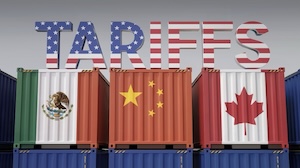
The Trump Administration has demonstrated a willingness to apply new tariffs to goods entering the U.S. as a viable tactic under its America First strategy to achieve greater fairness in its dealings with other countries. The application of tariffs is authorized under a number of standard legal procedures, such as trade remedy investigations to mitigate dumping of goods at less than fair value into the U.S. market or eliminating the unfair price advantages of government subsidies, and use of section 301 duties to respond to unfair trade practices by other countries. However, the broad-brush use of tariffs to coerce our trading partners to make concessions in non-trade areas to resolve a domestic crisis is relatively new.

Read More »
madman theory

Trade War and the Madman Theory: A Personal Reflection

I can’t help but reflect on a negotiation seminar I took in law school, where we studied the Madman Theory, popularized by Richard Nixon. The theory suggests that acting unpredictably or being willing to take extreme actions can create leverage. If your opponent believes you might “blow it all up,” they may feel forced to make concessions. This strategy clearly echoes Trump’s approach to trade policy.

Read More »
external revenue service

The External Revenue Service: A Bureaucratic Overreach or Necessary Reform?

President Donald Trump made headlines when he announced an External Revenue Service (ERS) agency to collect tariff incomes. The announcement sparked a heated debate among trade experts, economists, and business leaders. But, what exactly would be the purpose of the agency? Well, we can take the words spoken from his inauguration address as an answer.

Read More »
china's growing influence in latin america

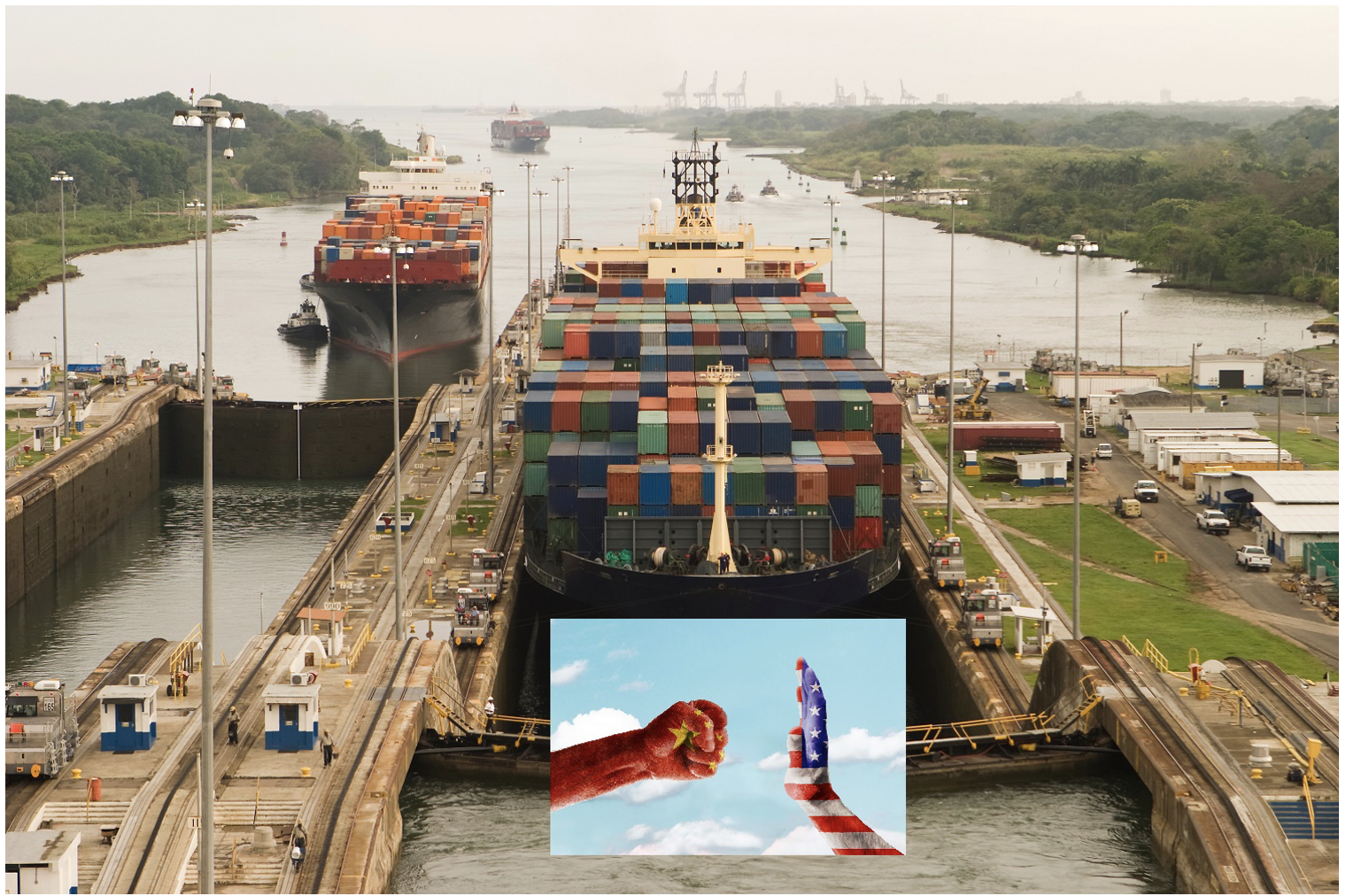
China’s Growing Influence in Latin America: Infrastructure Investments and Implications for the Panama Canal

China has significantly expanded its economic and geopolitical footprint in Latin America, particularly through the acquisition and development of critical infrastructure such as ports, airfields, and railways. This strategic move has raised questions about the long-term implications for regional sovereignty, global trade routes, and the future of the Panama Canal, a linchpin of international maritime commerce.

Read More »
Chemical Classification

Chemical Classification, It Matters, Now More Than Ever-To Most

If you have a company that imports chemicals – whether they are used as raw materials or components for onward manufacturing, or finished goods containing chemical components – you have been facing significant challenges over the last half-dozen years. Some of these challenges include the trade wars with China (I’m looking at you, Section 301) and the disruptive impact of COVID-19 to global supply chains. In response to these challenges, you have maybe modified your supply chain to reduce your dependence on Chinese chemical imports.  Or perhaps your supply chain was not largely affected by Section 301 tariffs (if so, consider yourself lucky – and may your luck hold!).

Read More »
Customs broker license exam

The U.S. Customs Broker License Exam: Tips and Perspectives

A customs broker license is issued to a person who has successfully passed a grueling licensing exam (after paying the exam fee), submitted a license application (along with another fee), and passed the subsequent FBI background investigation. The open-book exam, which lasts 4½ hours and comprises 80 multiple-choice questions, is ostensibly intended to measure one’s knowledge about various customs-related regulations and practices yet experience or employment in a customs-related job is not a prerequisite.

Read More »
Trade and Food Security

The Nexus of Trade and Food Security Amid Global Conflicts

The intricate interplay between trade and food security has emerged as a vital global issue, one that is closely interwoven with the tapestry of international conflicts and political instability. Remember the 2019 pandemic when toilet paper supply chains were interrupted?  Now imagine that on a much larger scale with basic food staples like rice, wheat or corn.

Read More »
CTPAT Supply Chain Hero of Trade

The Unsung Hero of Trade: Why CTPAT Matters

In the ever-changing world of trade, where predicting the future is a constant challenge, looking back at the past decade offers valuable insights into the evolution of the supply chain and the tools that have developed to contribute to efficiency and security.

Read More »
Voluntary Self-Disclosures

BIS Unveils Enhanced Voluntary Self Disclosure Protocols

On January 16, 2024, the Bureau of Industry and Security (BIS) under Assistant Secretary for Export Enforcement, Matthew Axelrod, disclosed significant enhancements to the process for Voluntary Self-Disclosures (VSDs) related to the Export Administration Regulations (EAR). These adjustments are strategically designed to streamline export control compliance for U.S. governmental bodies, the commercial sector, and academic entities.

Read More »
Importer Registration

Suspensión del Padron de Importadores

Uno de los requisitos más importantes para importar mercancías a México es estar registrado como importador en el registro de importadores mexicanos. Hay 2 tipos de registros para importadores, uno es para importadores generales (Padrón de Importadores) y el otro es para importadores de sectores industriales específicos (Padrón de Importadores de Sectores Específicos) que pueden importar mercancías identificadas por el código arancelario MX (es decir, productos químicos, armas de fuego, puros, calzado, textiles, alcohol, hidrocarburos, siderurgia, automoción, etc.). Generalmente, estos 2 registros son listados con información de personas y entidades autorizadas para importar mercancías a México.

Read More »
Importer Registration

Suspension of Mexican Importer Registration (Padron de Importadores)

One of the most important requirements for importing goods into Mexico is to be registered as an importer under the Mexican importer’s registry. There are 2 types of registries for importers, one is for general importers (Padron de Importadores), and the other is for importers of specific industry sectors (Padron the Importadores de Sectores Especificos) which may import goods identified by the MX tariff code (i.e. chemical products, firearms, cigars, footwear, textiles, alcohol, hydrocarbons, steel, automotive, etc.). Generally, these 2 registries are lists with information of individuals and entities authorized to bring goods into Mexico.

Read More »
free trade zone

Maximizing Duty Savings Series Leveraging Bonded Warehouse and Foreign Trade Zones

Consider this scenario: a client faced the challenge of deferring duty payments while managing a significant volume of imports destined for re-exportation from the U.S. Initially considering duty drawbacks, which proved unsuitable for their specific needs, we turned our attention to bonded warehouses and free trade zones. This scenario is not uncommon in the trade world and highlights a critical decision point for many businesses: choosing between a bonded warehouse and a Foreign Trade Zone (FTZ).

Read More »
first sale

What is the “First Sale” Rule and How Does it Affect Me?

The First Sale Rule applies in circumstances such as the example above. A US company places an order with a middleman in the US. The middleman in turn subcontracts to a foreign supplier. The supplier then ships the product either to the middleman or to the original US company that placed the order, meaning either could be the importer of record. The entered value could be the amount on the original purchase order or the price paid by the middleman to the foreign supplier.

Read More »
tolkenizing

Assessing the Benefits and Challenges of Tokenizing Real World Assets

The world of cryptocurrencies on blockchains and the world of traditional assets in markets have often stood in stark contrast to one another since Bitcoin’s creation in 2008. The lack of a reliable bridge between these two worlds has limited the impact of cryptocurrencies on assets in the real-world outside of on-chain speculation and prevented adoption of the benefits that blockchain technologies can bring to real world processes.

Read More »