Constellations
There are 88 constellations officially recognized by the International Astronomical Union. This list of modern constellations was adopted by the IAU in 1922 and 36 modern constellation lie principally in the northern celestial hemisphere, while 52 are found in the southern sky. Ancient sailors navigated maritime trade routes using a combination of techniques including celestial navigation which is 4,000 years old. In the beginning it was primarily a multitude of spices traded among the various Mediterranean routes. To this day, the spice and seasoning trade is changing world history and has a market projected to grow to $26 billion by 2029. Braumiller Law Group loves the science behind global trade compliance.
The Buy American Act
The Buy American Act (BAA) was enacted during the Depression in 1933 to encourage the federal government to buy from American companies. To qualify as a domestic product the manufactured product must meet two requirements. First the end product must be manufactured I’m the United States, and second, the end product must be made of substantially all U.S. sourced components. This percentage threshold has increased to 65%. Some companies are following the new Buy America preferences, while others may need to make significant adjustments to their supply chain and domestic manufacturing processes to meet the stringent “produced in the U.S.” requirements.
Who is the IOR? Importer of Record
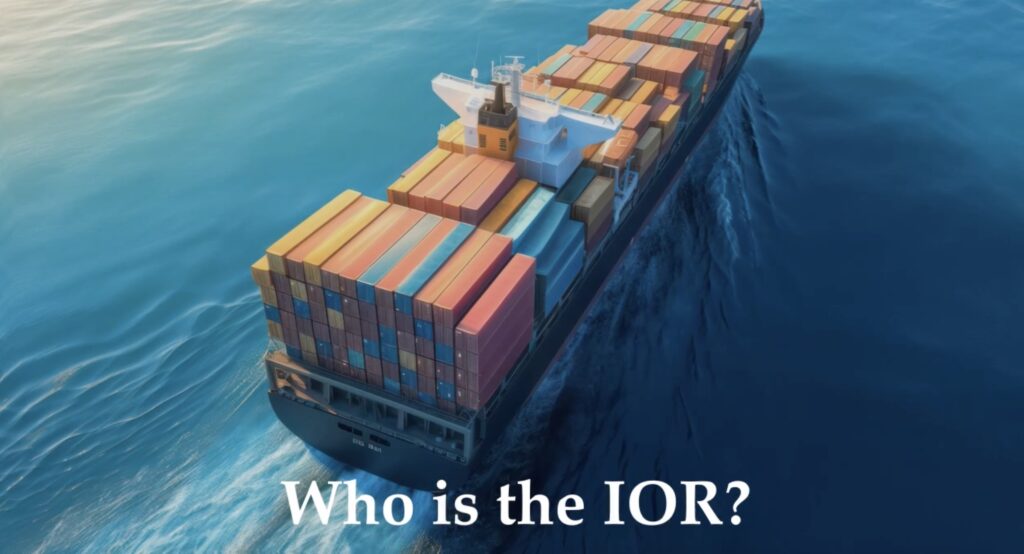
One of the most common questions asked within our initial consultation with clients is, who is the IOR? The Importer of Record (IOR) is the essential entity in international trade. It is the one who is responsible for complying with all customs regulations, facilitating smooth import operations and managing all potential legal liabilities. It is essential when conducting due diligence and avoiding penalties.
Ahh Coffee
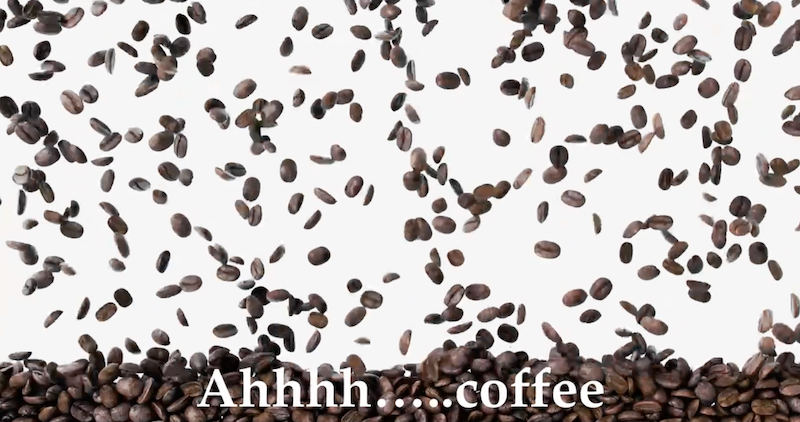
About $10 billion in coffee was imported into the U.S. in 2022 with 50% primarily coming from Brazil and Columbia at roughly $2.2 billion each. It’s a staple in the majority of American’s daily lives via a kick of caffeine in the morning. The amount of business discussed daily over numerous cups of java goes without saying. If you’d like to have a cup with us and have a chat about anything international trade compliance related, we’ll be here. BLG can help you with Global Trade Compliance.
Superhero Updated

Chess Match
In the world of international trade not all regulations seem to be in black and white as there is some grey area. But if you choose to play a chess match with customs, based on our experience you stand a good chance of self-destructing. Global Trade Compliance is what we do.
CTPAT
Customs Trade Partnership Against Terrorism is about building supply chain security and mitigating risk. CTPAT is an ever-evolving security program that was inaugurated by Customs and Border Protection in 2001 under the newly establish Department of Homeland Security. Today is is a multi-layer cargo strategy that works with the trade community to support and strengthen international supply chains. There are at least a dozen benefits to the program including reduced number of CBP examinations, front of the line inspections, shorter wait times at the border, possibility of enjoying additional benefits by being recognized as a trusted trading partner by foreign customs administrations that have signed a Mutual Recognition Agreement with the United States, eligibility for other U.S. government pilot programs such as the FDA’s secure supply chain program, priority consideration at CBP’s industry focused Centers of Excellence and Expertise, the best approach is to have a guide assist int he process of applying for entrance into the program and we just happen to have a CTPAT expert on campus.
Bananas
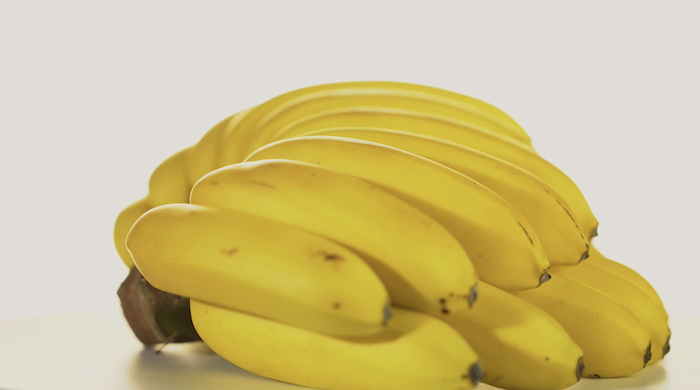
WIth regard to import and export, bananas are botanical berries not fruit. The HTS code for berries is different from that of bananas which is different from the HTS code for edible fruit in general. If you need help with classification BLG can assist.
USMCA GURU

Of the 21 FTAs (Free Trade Agreements) that the U.S. currently has in place none is more significant than USMCA (formerly known as NAFTA). The benefits of participation can be substantial. If you need some assistance in qualifying your merchandise, BLG has USMCA Gurus (formerly known as NAFTA Gurus) on campus. Jim Holbein, D.C. counsel for Braumiller Law Group, even helped negotiate the original NAFTA agreement. Our mantra is rooted in success, drawing from decades of experience.
AI

We would like to go on the record and state that AI will not be replacing any of our attorneys in the near future. Well maybe a few by 2050 as some will be 80 years old by then. Keep in mind they will have learned everything they know from us. So they, for all intents and purposes, are us. Maybe we could all eventually just go on vacation and let our AI’s do all the work. On second thought, they are really still just infants in the machine, ever evolving but still infants. Keep in mind the next time you engage with your favorite AI app for legal advice. BLG will be here if you need us, or possibly at the beach with cell service.