A New Era of Trade Fraud Enforcement

The new DHS/DOJ Trade Fraud Resource Guide should resonate across the trade ecosystem, especially for importers, Customs brokers, and in-house counsel.
The CTPAT Ultimatum: New EO Ties Entry Filing Privileges to CTPAT Validation Status
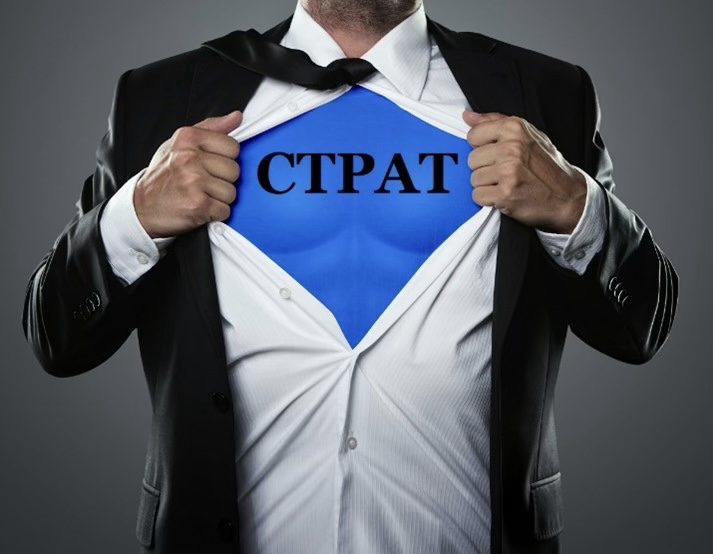
A sweeping new White House Executive Order is set to once again shake up global supply chains by requiring a historic overhaul of the U.S. Importer of Record (IOR) framework. It lays out raising penalty floors, and tightening disclosure rules for everyone bringing goods into the United States, among other things.
Origin Engineering: How Substantial Transformation Can Reduce Your Tariff Exposure

“Origin Engineering” refers to modifying the sourcing of essential product inputs or relocating key manufacturing processes from countries subject to higher tariff rates to jurisdictions with more favorable trade treatment. It is one of the most effective tools available to importers navigating elevated tariff exposure.
Contracts and Purchase Orders in Mexico – Their Role in Demonstrating Customs Compliance and the Substance of Foreign Trade Transactions
Mexico’s customs and foreign trade legal framework has evolved toward a stricter and more controlled compliance model.
Customs Enforcement Overhaul: What Importers and Brokers Need to Do Now

On June 3, 2026, President Trump issued Executive Order 14411, “Strengthening Customs Enforcement,” directing the Department of Homeland Security and U.S. Customs and Border Protection to tighten importer eligibility, increase disclosure obligations, and expand enforcement measures across the U.S. import system.
New Executive Order Strengthening CBP Enforcement

President Trump signed the new Executive Order “Strengthening Customs Enforcement.” This new order from the administration tackles different administrative priorities related to customs: Customs Reform and Combatting Customs Fraud. The order-related fact sheet goes into detail about how the Executive Order addresses these objectives and how this will affect importers moving forward.
Customs Fraud, Whistleblowers, and $1.8 Billion in Liability: Lessons for Importers

The outcome of this customs fraud criminal investigation case highlights significant compliance risks for importers, particularly in the areas of classification, documentation, and internal controls.
Contratos Celebrados por Importadores Mexicanos (Su Relevancia en la Materialidad de las Operaciones Aduaneras y de Comercio Exterior)
El marco jurídico mexicano en materia aduanera y de comercio exterior ha evolucionado hacia un modelo de cumplimiento más estricto y controlado. Las autoridades ya no solo exigen que los importadores identifiquen cual es la mercancía objeto de la importación, sino también que acrediten bajo que términos y condiciones se realiza la operación de comercio exterior.
Contracts Executed by Mexican Importers (Their Relevance to the Substantiation of Customs and Foreign Trade Operations)
The Mexican legal framework governing customs and foreign trade has evolved toward a stricter and more controlled compliance model. Authorities no longer require importers merely to identify the goods being imported; they now also require proof of the terms and conditions under which the foreign trade transaction is conducted.
The U.S. Customs Broker License Exam: Tips and Perspectives

A customs broker license is issued to a person who has successfully passed a grueling licensing exam (after paying the exam fee), submitted a license application (along with another fee), and passed the subsequent FBI background investigation. The open-book exam, which lasts 4½ hours and comprises 80 multiple-choice questions, is ostensibly intended to measure one’s knowledge about various customs-related regulations and practices yet experience or employment in a customs-related job is not a prerequisite.